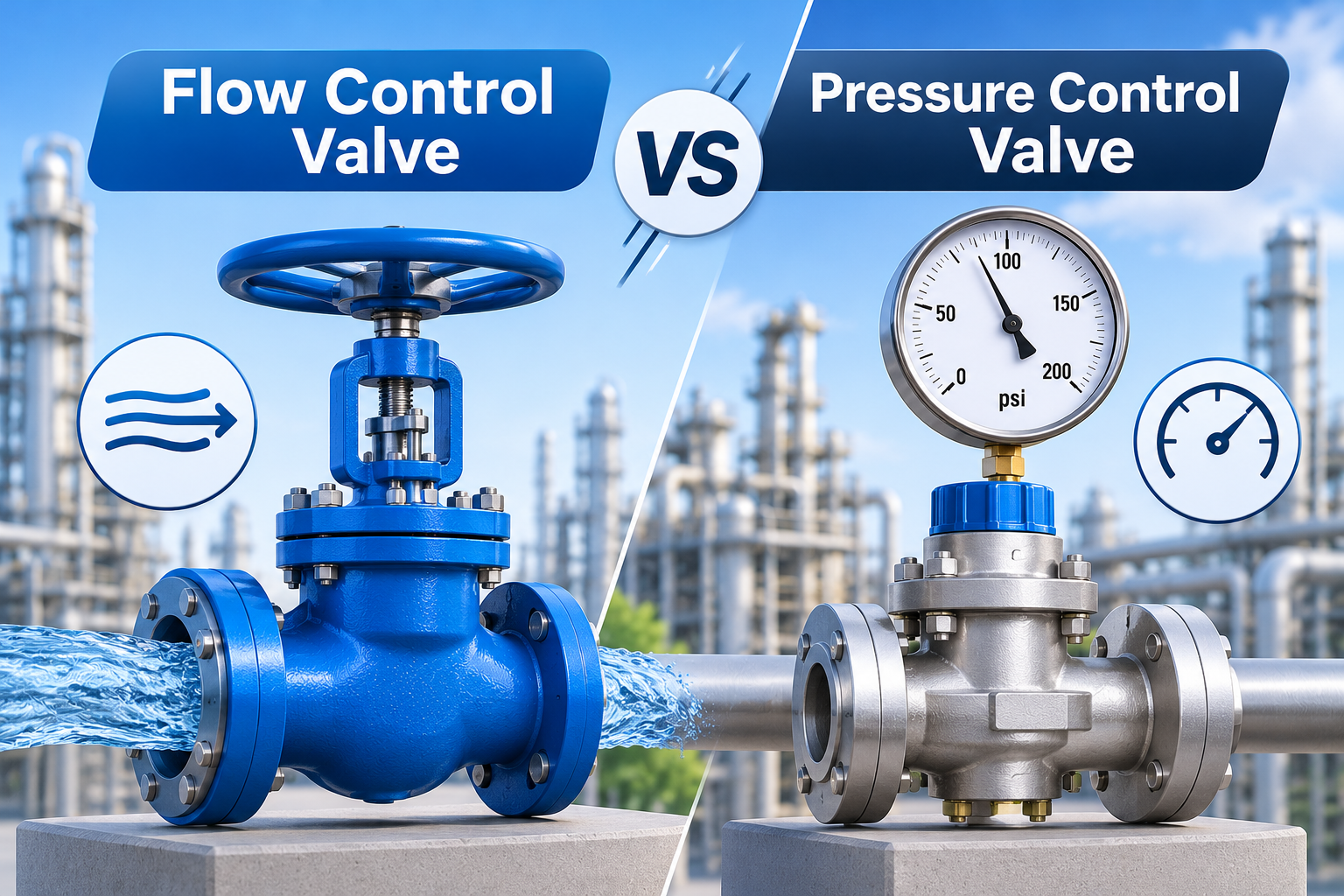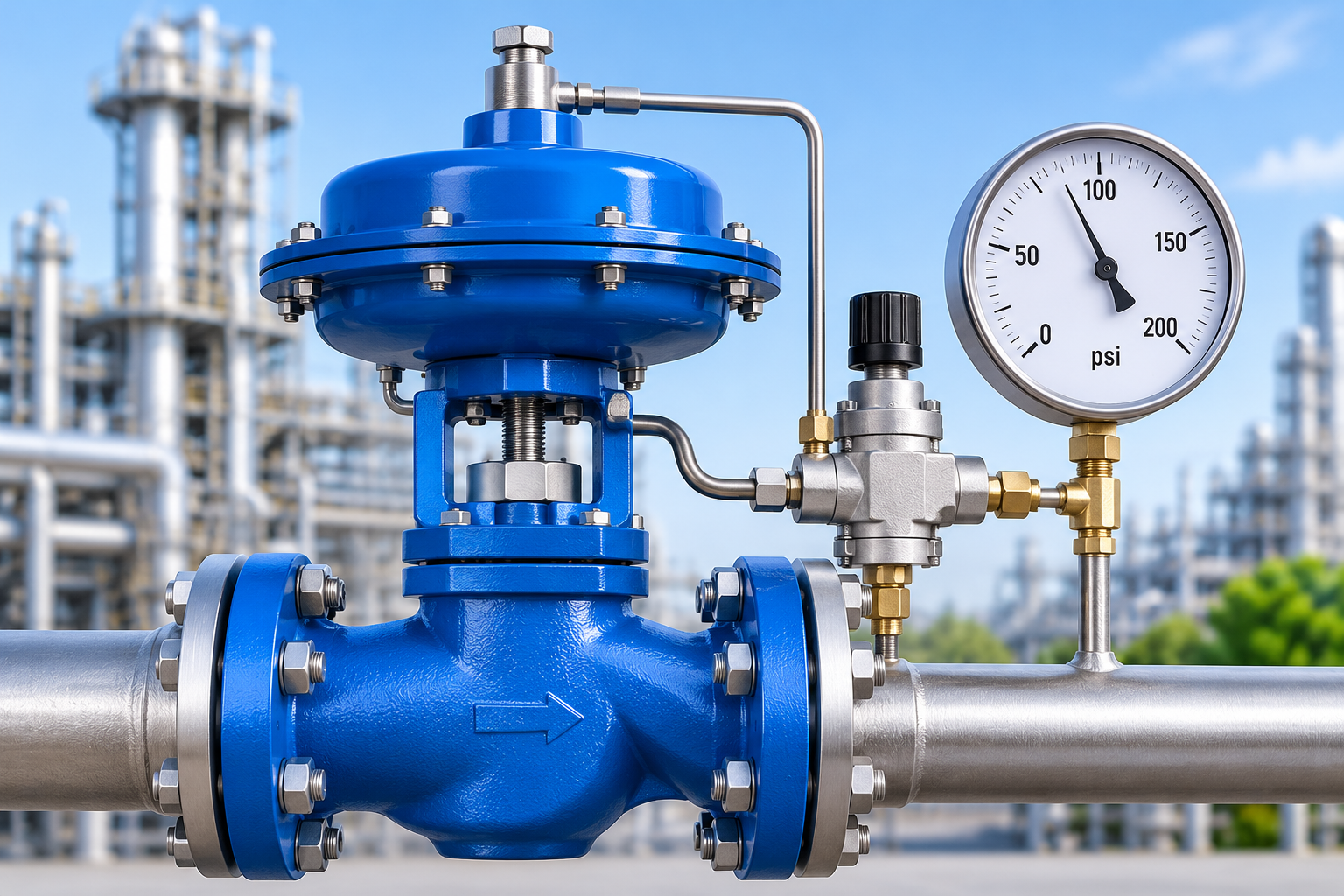
A perfectly functioning shut-off valve can wear out in a few weeks if used to adjust flow. This common mistake on industrial sites can lead to leaks, noisy lines and early valve replacements. In Saudi refineries, petrochemical plants, desalination plants and HVAC systems, the use of a globe valve versus a ball valve can greatly affect control accuracy and maintenance costs. The purpose of this guide is to simply explain the differences between globe valve vs ball valve, so the best valve for each line can be determined.
Globe Valve vs Ball Valve: The Basic Difference
Simple rule: If you need to regulate flow, choose a globe valve. If you need a tight on/off shut-off, choose a ball valve.
A globe valve is built to control how much fluid passes through a line. A ball valve is built to open or close a line quickly and seal it firmly. Both are useful, but they are designed for very different jobs.
What Is a Globe Valve and How It Controls Flow
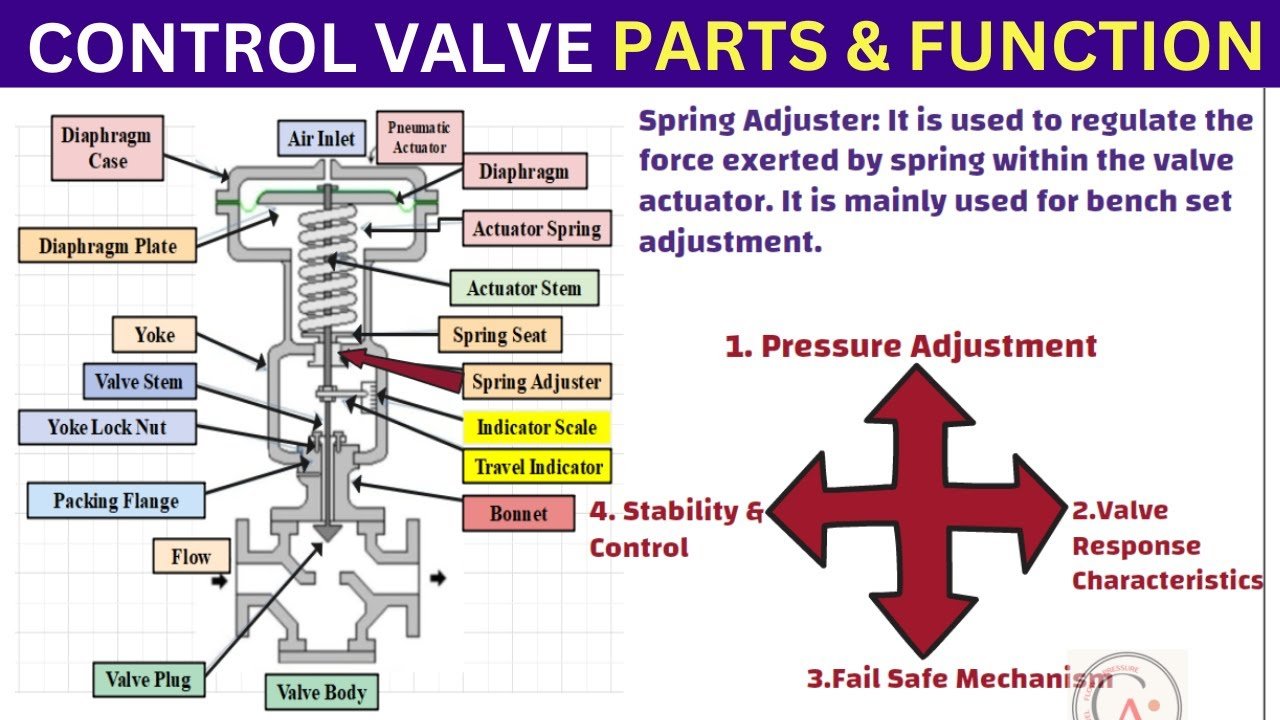
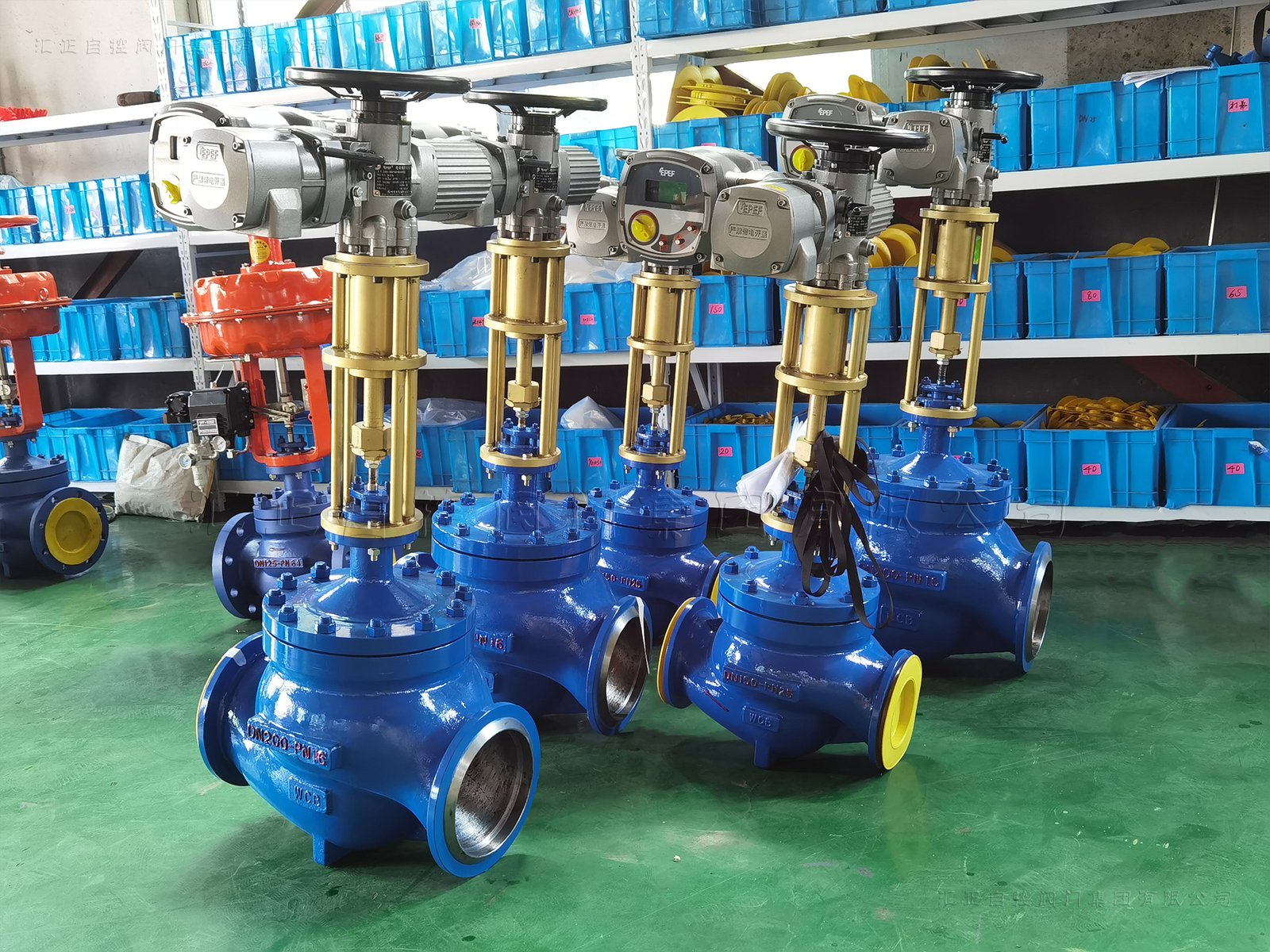
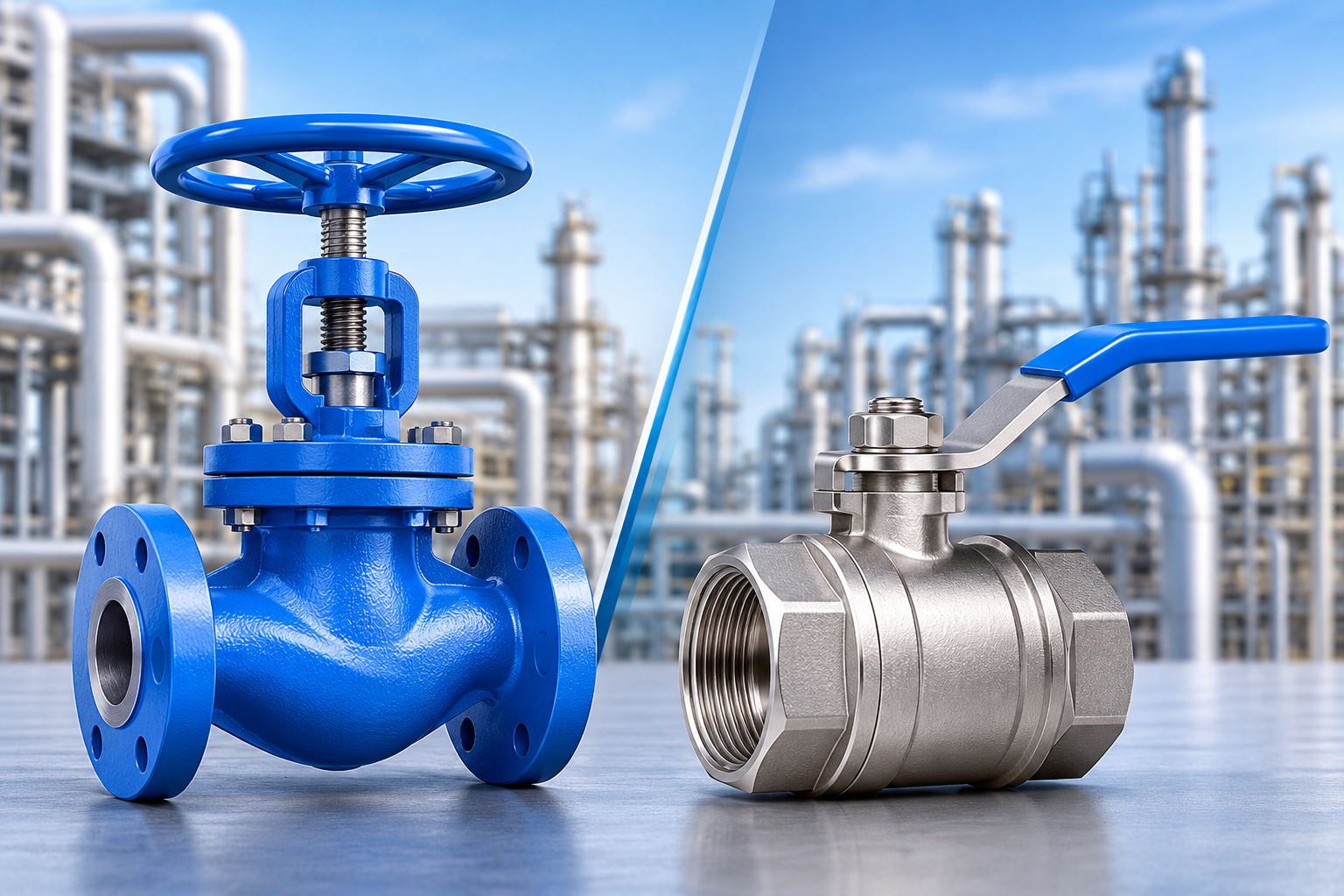
A globe valve’s body contains a disc, or plug, that is designed to slide up and down to control the opening of the valve. Similar to a gate valve, a handwheel is used to operate a globe valve. However, a globe valve is designed for more precise flow control in smaller increments. Unlike a gate valve, which can take a lot of wear and tear, a globe valve is designed to take throttling loads and can be used for control of flow of steam, water, air or other mediums. This is the main reason why globe valves are widely used in process industries. Lets see how globe valve control flow https://www.youtube.com/shorts/4AUvD35Tv9Y.
How a Ball Valve Works and Why Engineers Trust It for Shut-Off
A ball valve uses a sphere with a bore through its middle. A quarter turn of the handle lines the bore up with the pipe to open the valve. A quarter turn in the other direction blocks the bore, and thus the flow, completely.
The bore is designed to give a tight shut off, making ball valves ideal for isolation points in oil and gas lines and chemical plants, as well as for use in utility and HVAC systems. Lets see how ball valve control flow. https://www.youtube.com/shorts/vot6ywrN9Y8
Globe Valve vs Ball Valve Comparison
| Feature | Globe Valve | Ball Valve |
| Main purpose | Flow regulation | On/off isolation |
| Operation | Multi-turn handwheel | Quarter-turn handle |
| Throttling | Excellent | Poor (standard design) |
| Pressure drop | Higher | Very low (full port) |
| Shut-off | Good | Very tight |
| Maintenance | Seat and disc can be serviced | Low, until seats wear |
Throttling Ability
Globe valves are much better than any other type of valve for throttling. With a globe valve, the disc moves slowly towards the seat, allowing for smooth changes in the flow and stable flow at partial openings.
A standard ball valve is not made to be partially open, and if partially opened, the high velocity flow will erode the edge of the seat, causing leaks. Ball valves with a “V” shaped port are made to be partially opened to slow the flow. Ball valves, in general, should be fully open or fully closed.
Pressure Drop
Ball valves have particularly low pressure loss when fully open. This is especially true for full-port designs. Pressure loss occurs because fluid must pass through a bore.
Inside a globe valve, the fluid is forced to turn as it moves through the body. However, they offer better shut-off characteristics. As a result, they provide better control. As a trade-off, they create more pressure loss. Therefore, engineers try to avoid using them in lines where flow has to be as free as possible (main lines).
Maintenance and Durability
Globe valves are easy to maintain. Many designs allow the disc and seat to be replaced or repaired without removing the valve. The packing in a globe valve is also adjustable, to stop leaking.
Ball valves also don’t take much maintenance if used properly as shut-off valves. However, if the ball valve is used for throttling or exposed to sand and scale, the valve’s soft seats wear out, and must be replaced.
Which to Use: Globe Valve or Ball Valve?
Use a globe valve when:
- You need to adjust or balance flow
- The line carries steam, hot water or fuel oil that needs controlled flow
- Frequent adjustment is part of normal operation
- See out full blog on ball valve vs butterfly valve.
Use a ball valve when:
- You need fast, tight on/off isolation
- Low pressure drop matters
- The line carries gas, fuel or chemicals that must not leak
Many Saudi plants use both together: a ball valve to isolate a section and a globe valve to fine-tune the flow.
Order Globe Valves and Ball Valves in Saudi Arabia
Selecting the right valve for control or shut-off ensures your system remains safe and efficient. Shamry Trading offers globe valves and ball valves as well as pipes and fittings for industrial, commercial and oil and gas projects in Saudi Arabia. Our team helps determine the right valve for your fluid, pressure and application.
We’ll work with you to deliver the right valve for each application. Call us with your project requirements.
Conclusion
Choosing between a globe valve vs ball valve comes down to whether you need control or shut-off. Globe valves are excellent at providing precise flow regulation with easy maintenance, whereas ball valves are great at providing fast, tight isolation with a low pressure drop.
Always use valves for the job they were made to do, and watch your processes become more efficient with less leaks, and your valves last longer.
FAQs:
Globe valve or ball valve: what really sets them apart?
Globe valves fine-tune flow; ball valves give a fast, leak-tight stop.
What is the globe valve working principle?
A disc moves up and down against a seat to make the opening bigger or smaller.
Which flow control valve is best for steam lines in Saudi plants?
A globe valve, because it regulates flow smoothly and handles throttling well.
Can a ball valve be used for throttling?
Not a standard one. The partial opening wears its seats, but V-port designs can control flow.
Why do globe valves cause more pressure drop?
The fluid changes direction inside the body, which adds resistance.