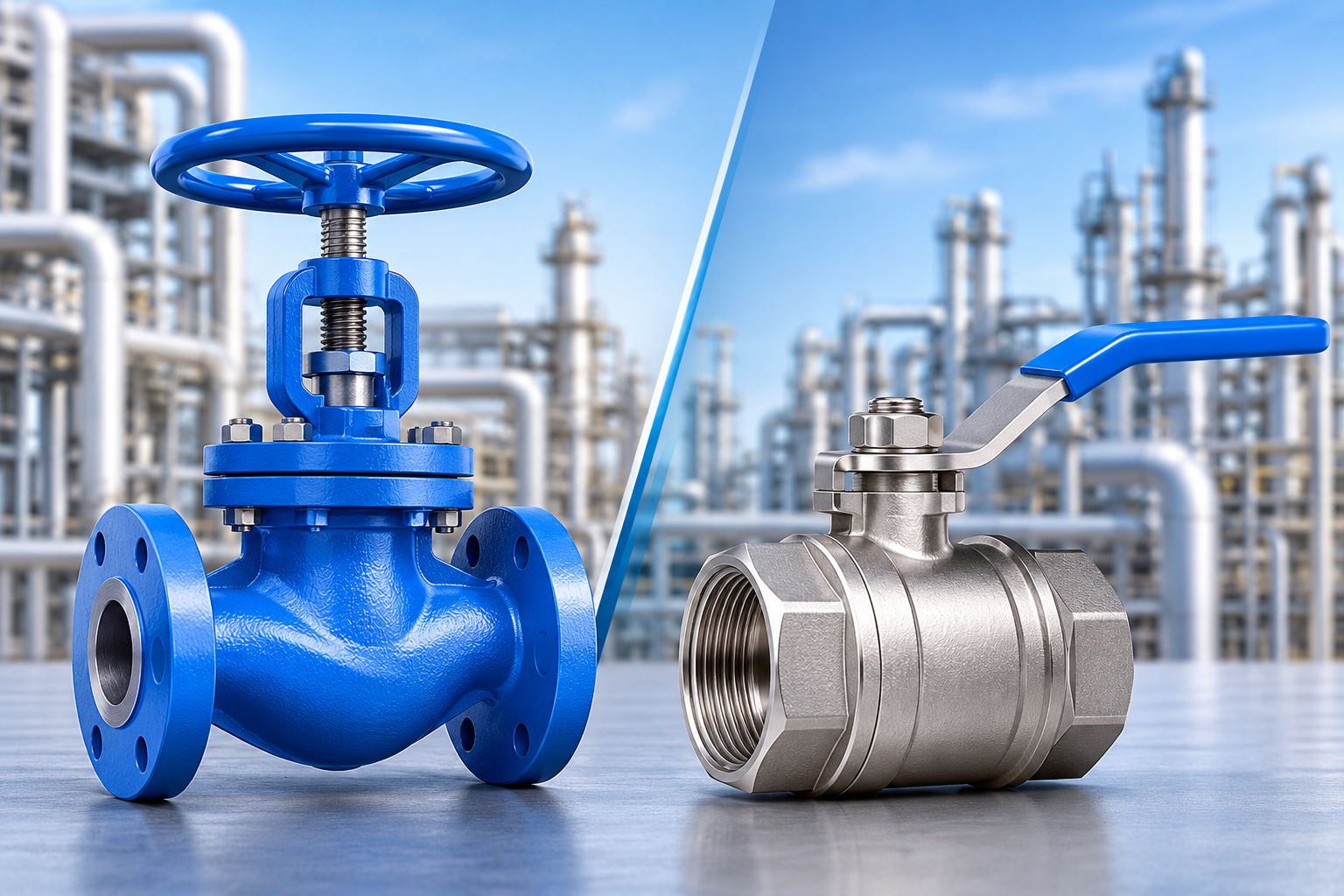
At night, a burst pipe. A pump that keeps tripping. A tap on the top floor of a tower with barely any water pressure. These are all symptoms of pressure that are not being controlled. In Saudi Arabia, water is transported over long distances. Buildings are constantly growing higher. Industrial plants run 24/7. Pressure that is too high will cause the pipe to fail. Pressure that is too low will starve the equipment. A pressure control valve will keep the system in the safe zone. Shamry Trading provides these pressure control valves to projects in the Kingdom of Saudi Arabia. Visit our page if you want to buy stainless steel pressure control valve.
What Is a Pressure Control Valve?
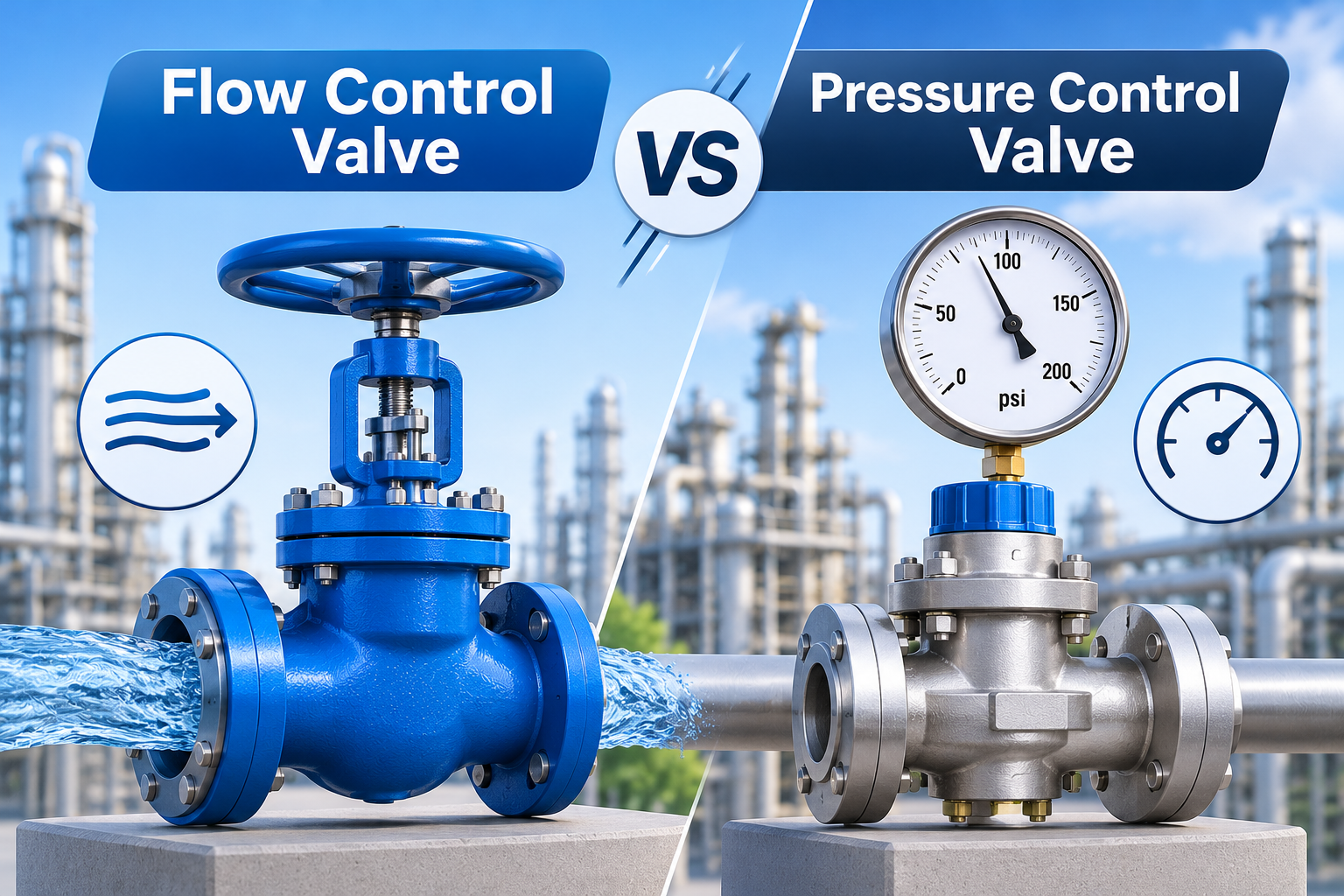
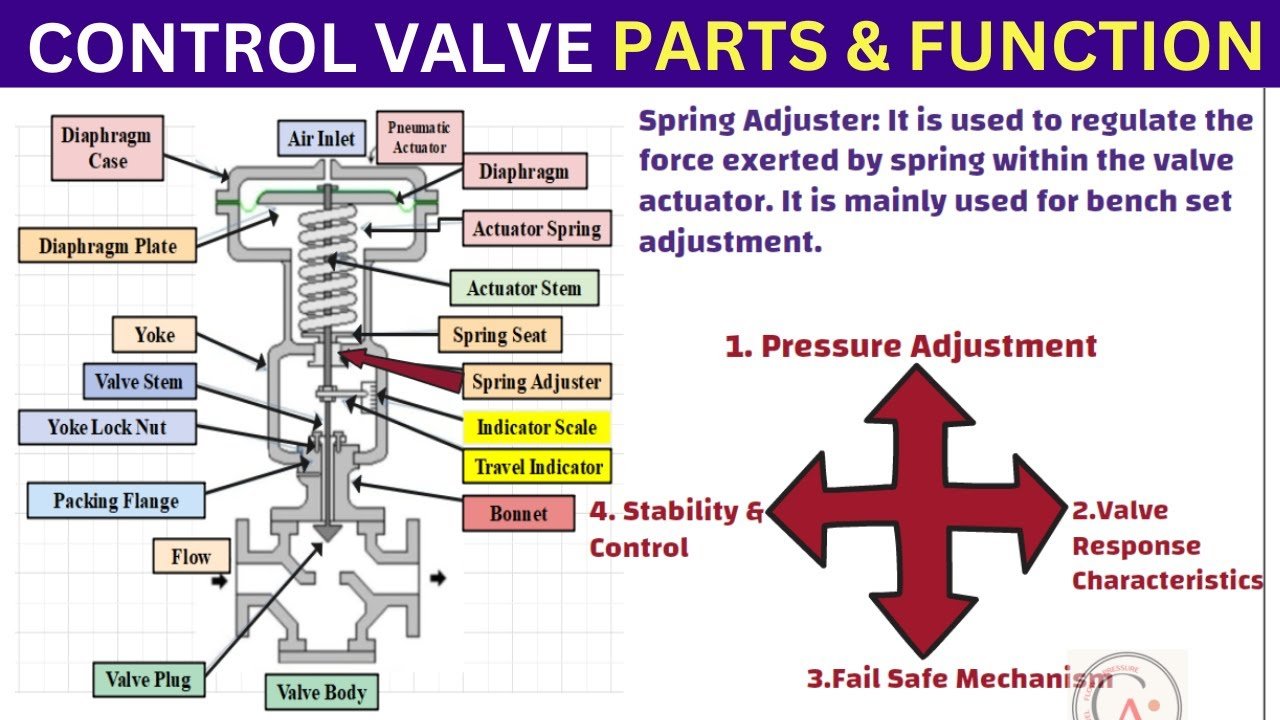
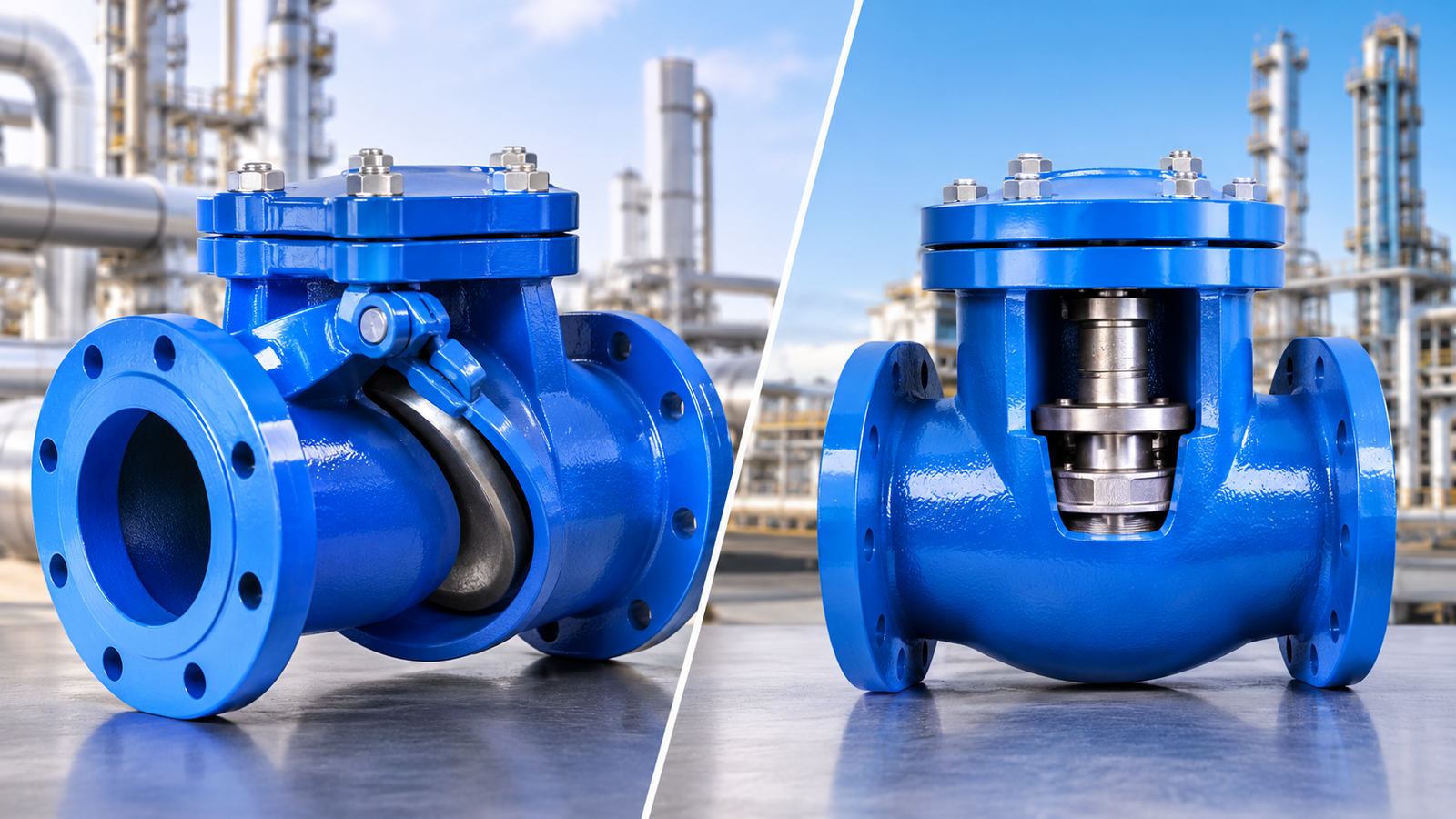
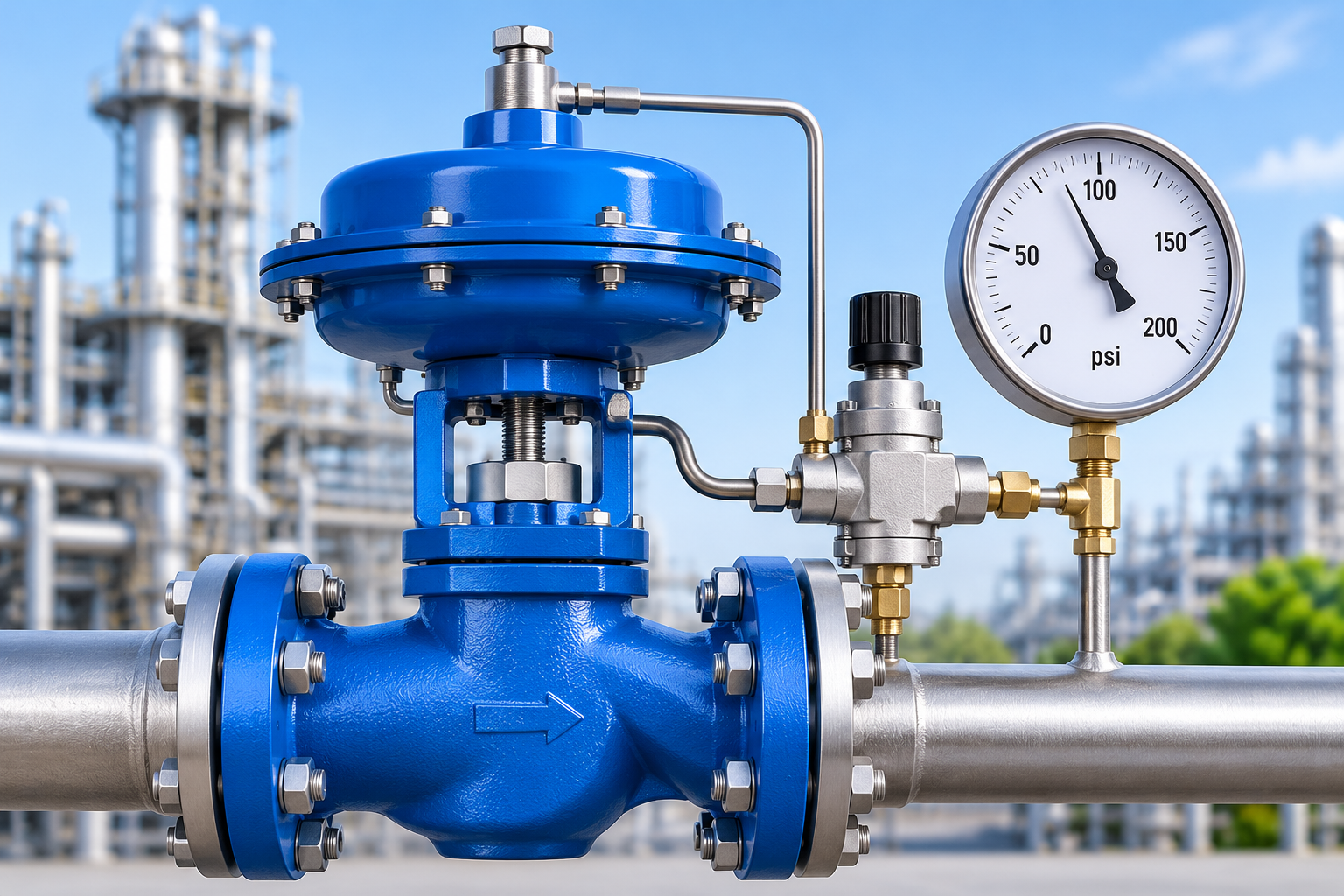
Pressure control valves are designed to maintain a specific pressure within a system by automatically opening, closing or adjusting their position. By doing so, they prevent pressure from rising or falling outside a predefined range. They require no operator after they are set. For this reason, pressure control valves are a major contributor to safety and efficiency of a water, HVAC or industrial system. watch this video if you want to know that working principal of pressure control valve. https://www.youtube.com/shorts/C9lPC2a09gM
Types of Pressure Control Valve
Different jobs need different pressure control. These are the four main types used across Saudi projects.
Pressure Reducing Valve
A pressure reducing valve lowers high incoming pressure to a steady, safer level downstream. It is common in high-rise buildings, water networks and branch lines where the supply pressure is stronger than the equipment can handle.
Pressure Relief Valve
A pressure relief valve protects the system from dangerous pressure build-up. When pressure goes above its set limit, the valve opens and releases the excess, then closes again once pressure returns to normal.
Back Pressure Valve
With a back pressure valve, upstream pressure never falls below a chosen limit. It stays closed until upstream pressure reaches the set point, which helps pumps run steadily and keeps dosing and process lines stable.
Pressure Regulating Valve
A pressure regulating valve holds pressure at a steady level even when flow demand changes. The term is often used for pressure reducing valves, but it also covers valves that sustain or balance pressure in a network.
Key Features of Our Pressure Control Valve
Automatic operation: No manual adjustment needed to hold set pressure
Adjustable setpoint: Changes pressure onsite to meet system requirements
Direct acting or pilot operated: Simple designs for small lines, pilot controlled larger, more exacting services
System protection: Prevents pipe bursts, leaks and pump damage
Water and energy savings: Less leaks and wasted pumping due to stable, low pressure
Maintenance: Easy access to internal parts for servicing and inspection, no tools needed
Lower, steady pressure: Reduces leaks
Pressure Control Valve Sizes and Materials
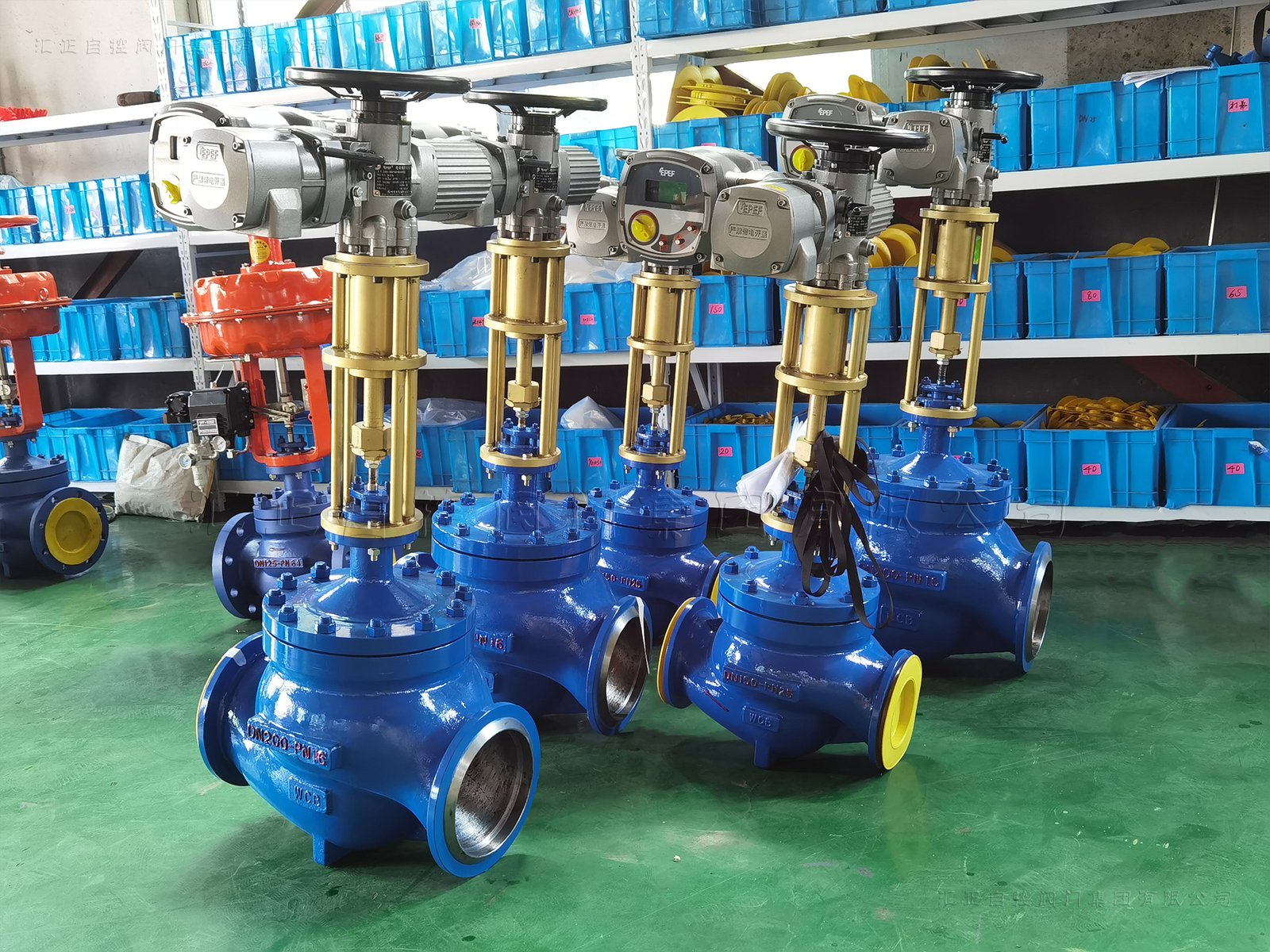
Pressure control valves are available for small service lines as well as large distribution mains. The right size depends on flow rate and the pressure range of your system, not just the pipe diameter.
| Material | Best Use |
| Ductile iron with epoxy coating | Water networks, irrigation, buildings |
| Bronze or brass | Small lines and building services |
| Stainless steel | Corrosive, saline or high-purity service |
| Cast steel | High-pressure and high-temperature industrial lines |
In coastal cities such as Jeddah, Dammam and Jubail, epoxy-coated and stainless steel bodies offer stronger protection against salty air and corrosion. Share your line size, pressure range and fluid with our team to choose the right model.
Where Pressure Control Valves Are Used
Water networks: Pressure reducing valves balance pressure between districts and cut leakage in distribution lines.
High-rise and commercial buildings: They protect lower floors from excess pressure while keeping supply steady on every level.
Desalination and pump stations: Relief and back pressure valves protect pumps and keep long transmission lines stable.
HVAC and district cooling: Regulating valves keep chilled water pressure balanced across large systems.
Industrial and oil and gas plants: Relief valves protect process lines and equipment from dangerous pressure spikes.
Fire protection and irrigation: Controlled pressure keeps sprinklers and irrigation zones working evenly and safely.
Conclusion
Burst lines and pump failures cause budgets to blow. Protect your investment with the right pressure control valve. Pressure reducing valves, pressure relief valves, back pressure valves and pressure regulating valves protect your system in different ways.
Contact us today and let Shamry Trading help you choose the pressure control valve that protects your investment.
FAQs:
What does a pressure control valve do?
It keeps pipeline pressure at a safe, set level without manual help.
Is a pressure reducing valve the same as a pressure regulating valve?
Mostly yes, both lower and steady the pressure, but “regulating” can also cover sustaining valves.
When do you need a pressure relief valve?
When a system must be protected from sudden, dangerous pressure build-up.
What is a back pressure valve used for?
It keeps a minimum pressure upstream, so pumps and dosing lines run steadily.
Why do high-rise towers in Saudi Arabia need pressure control valves?
They stop excess pressure on lower floors and keep supply even on every level.