A single control valve that starts leaking or hunting can affect the whole process line. Temperatures begin to drift, pressure swings occur and alarms start going off. Control valves are exposed to the harshest conditions in all refineries (petrochemical and desalination) and power generation plants. Knowing how and when the different control valve parts start to fail is important in addressing problems at an early stage. This guide explains the main parts and how they work. Most importantly it shows how smart spare parts planning can increase the uptime of a plant. Watch this video if you want to know about control valve parts.
Main Control Valve Parts and Their Jobs
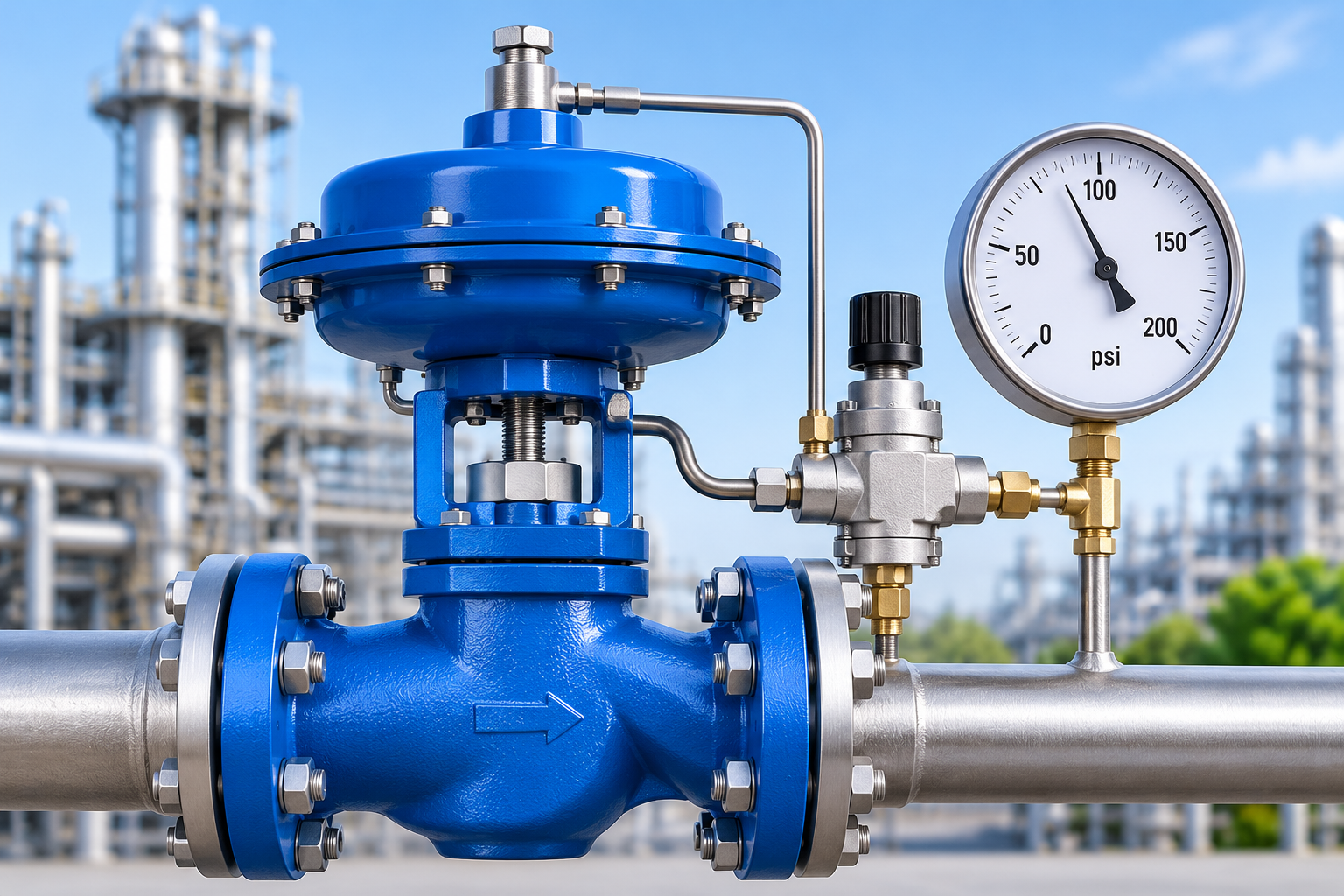
A control valve is not one piece. It is a team of parts working together to adjust flow based on a signal from the control system. When one part weakens, the whole valve loses accuracy.
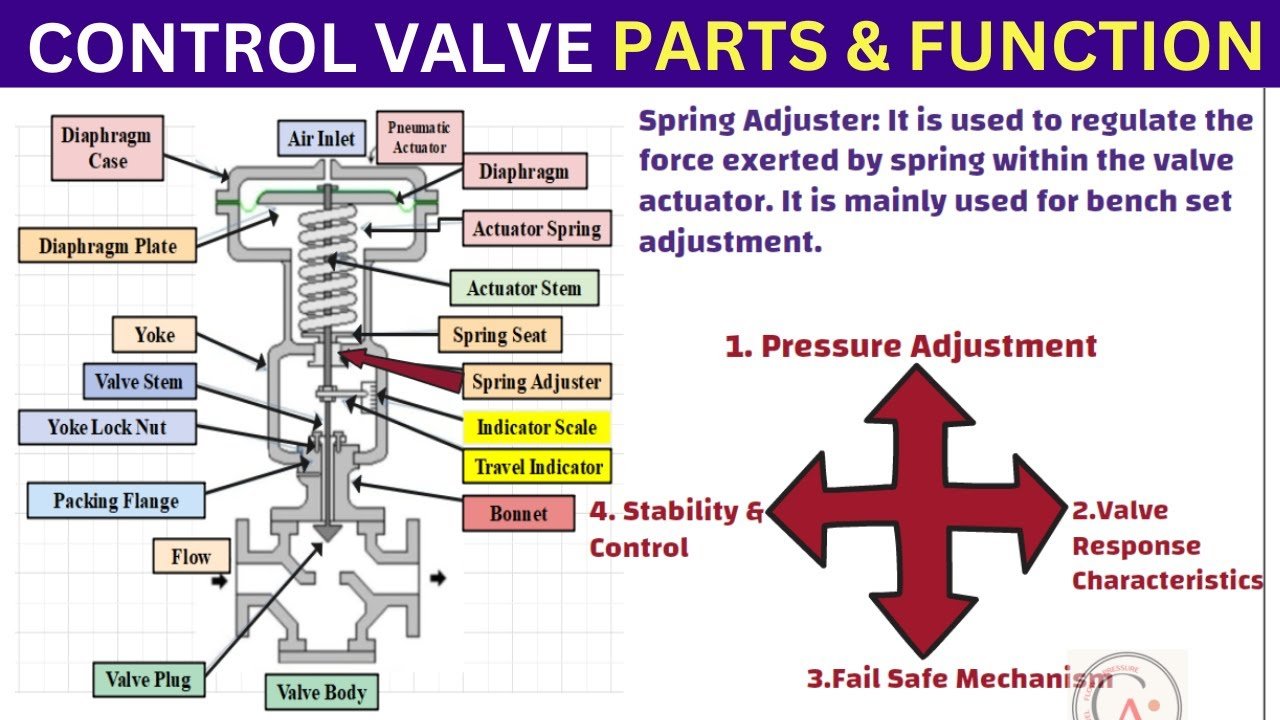
Body and Bonnet
The body is the sturdy outer casing that contains line pressure and joins the valve to the pipe. It holds the flow path and the internal parts.
The bonnet closes the top of the body, guides the stem and holds the packing. For very hot or cold service, extended bonnets keep the packing away from extreme temperatures.
Trim, Plug and Seat
The trim is the group of internal parts that touch the fluid, usually the plug, seat ring, cage and stem.
The plug moves toward or away from the seat to change the opening, and shuts the valve when it presses fully on the seat. These parts face high-speed flow, so they wear most from erosion, cavitation and sand.
Stem and Packing
The plug moves only through the stem, which links it to the actuator. It must move smoothly and stay straight for accurate control.
Packing rings, usually PTFE or graphite, seal around the stem. Worn or loose packing is a common cause of leaks and stiff movement.
Actuator and Positioner
The actuator is the muscle of the valve and moves the stem using air, electricity or hydraulic power. Many pneumatic actuators have a spring that moves the valve to a safe position if air fails.
The positioner is the brain. It reads the control signal, usually 4–20 mA, and adjusts the actuator until the valve reaches the right opening. Digital positioners also give data that helps spot problems early.
Signs Your Control Valve Parts Need Replacement
Look out for the following during your routine checks:
Leakage around the stem: Packing is worn and/or loose
Valve doesn’t shut off fully: Damage to seat/plug
Unstable control or hunting: Worn trim, sticky stem or faulty positioner
Noise and vibration: Cavitation; damaging trim
Jerky movement: Packing friction, air leaks in actuator, weak spring
Corrosion and erosion: Common in saline water, sandy service across the plants in Saudi
Catching the signs early allows for planned repair as opposed to an unplanned shutdown.
Why Keeping Control Valve Spare Parts Saves Downtime
Some control valve parts are model-specific and may take weeks to arrive. Without a spare on hand, a seat ring or diaphragm failure can keep a line down longer than it takes to make the repair.
An effective spare parts plan includes:
Items that wear out quickly: Packing sets, gaskets, seat rings and plugs
Actuator parts: Diaphragms, O-rings and springs
Critical electronics: Positioners for key valves
Valve tag, model and serial numbers for each spare part.
Plants that have a stocked supply of critical control valve spare parts can shorten the length of time it takes to perform a repair, plan a shutdown and avoid an unnecessary loss in production. See full blog on flow control valve.
No More Costly Shutdowns: Find the Right Valve Fast with Shamry Trading
Most issues with control valves have early signs: a weeping stem, a valve that doesn’t shut off completely, or a loop that keeps hunting. The real problems begin when the right valve replacement isn’t available on time. Shamry Trading provides valves, pipes and fittings to refineries, petrochemical plants, and other industrial facilities in the Kingdom of Saudi Arabia.
Tell us your valve tag, model and the issues you are experiencing, and we can help provide the most appropriate solution.
Contact us today and avoid plant downtime.
Conclusion
Each component of a control valve is important and a failure of any component will affect the valve operation. It is essential for engineers to understand the operation of each component of the valve, to evaluate wear and tear of the component and to maintain spares to prevent unplanned shutdowns.
Share your project requirements with Shamry Trading, to source the best valves and piping solutions in the Kingdom of Saudi Arabia.
FAQs:
What are the main control valve components?
Body, bonnet, trim, stem, packing, actuator and positioner.
What is valve trim and why does it wear first?
It is the set of internal parts that touch the fluid, so erosion and cavitation hit it hardest.
What does the valve body and bonnet do?
Pressure and flow stay inside the body; the bonnet caps it off and steers the stem.
How does a valve actuator move the valve?
It uses air, electric or hydraulic power to move the stem and plug.
Which control valve spare parts should plants keep in stock?
Packing sets, gaskets, seat rings, plugs, diaphragms and a spare positioner for key valves.