
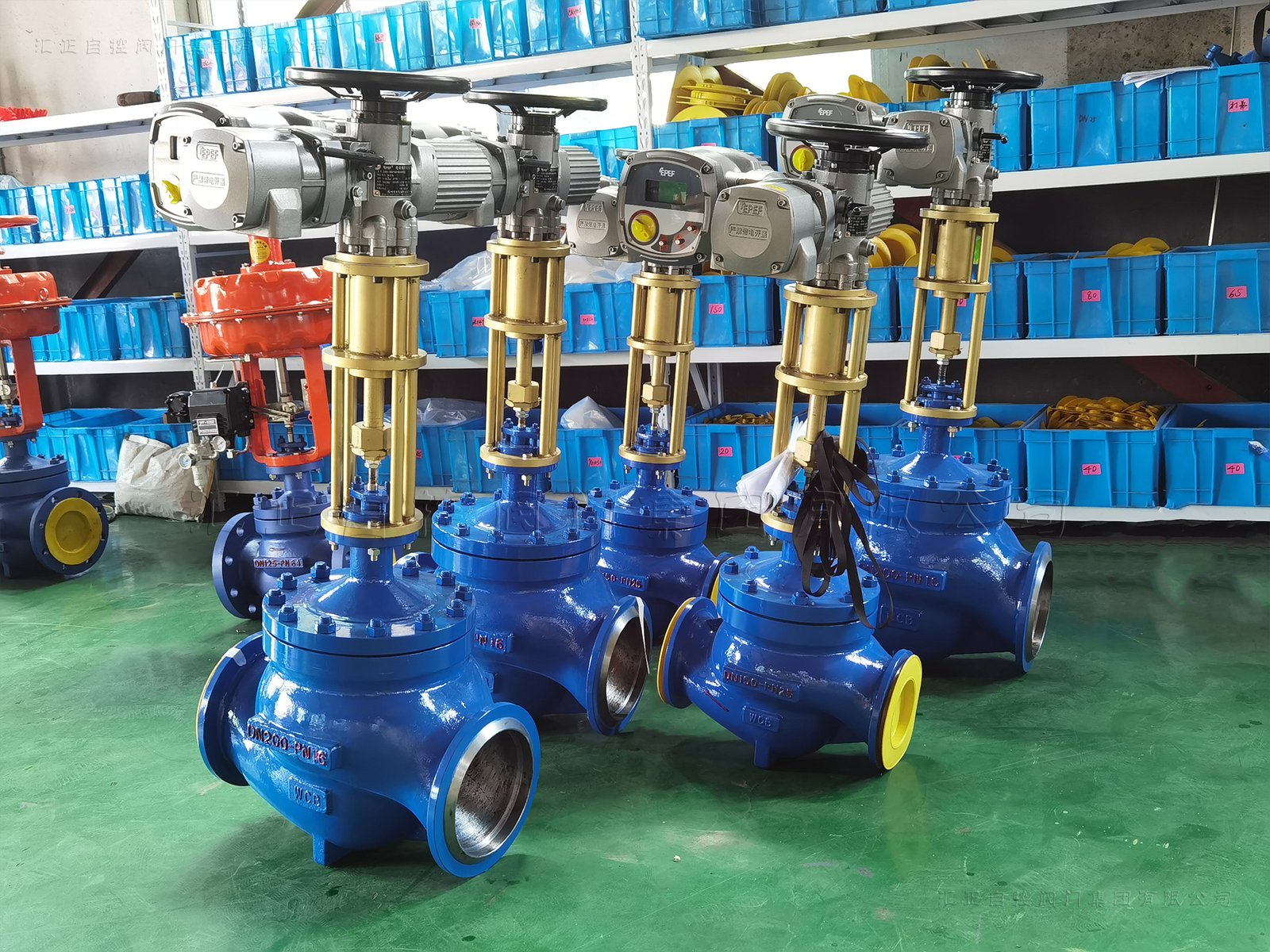
When pressure fluctuates in a water network, flow usually doesn’t go where it’s supposed to. One area gets too much flow and another gets too little. Pumps have to work harder than they need to. In Saudi Arabia, water has to be transported long distances from desalination plants to the cities, farms and industries, and steady flow can’t be taken for granted. A flow control valve keeps the flow steady, and protects equipment. This helps to make sure that every single liter of water gets to its final destination. Let see how flow control valve works.
What Is a Flow Control Valve?
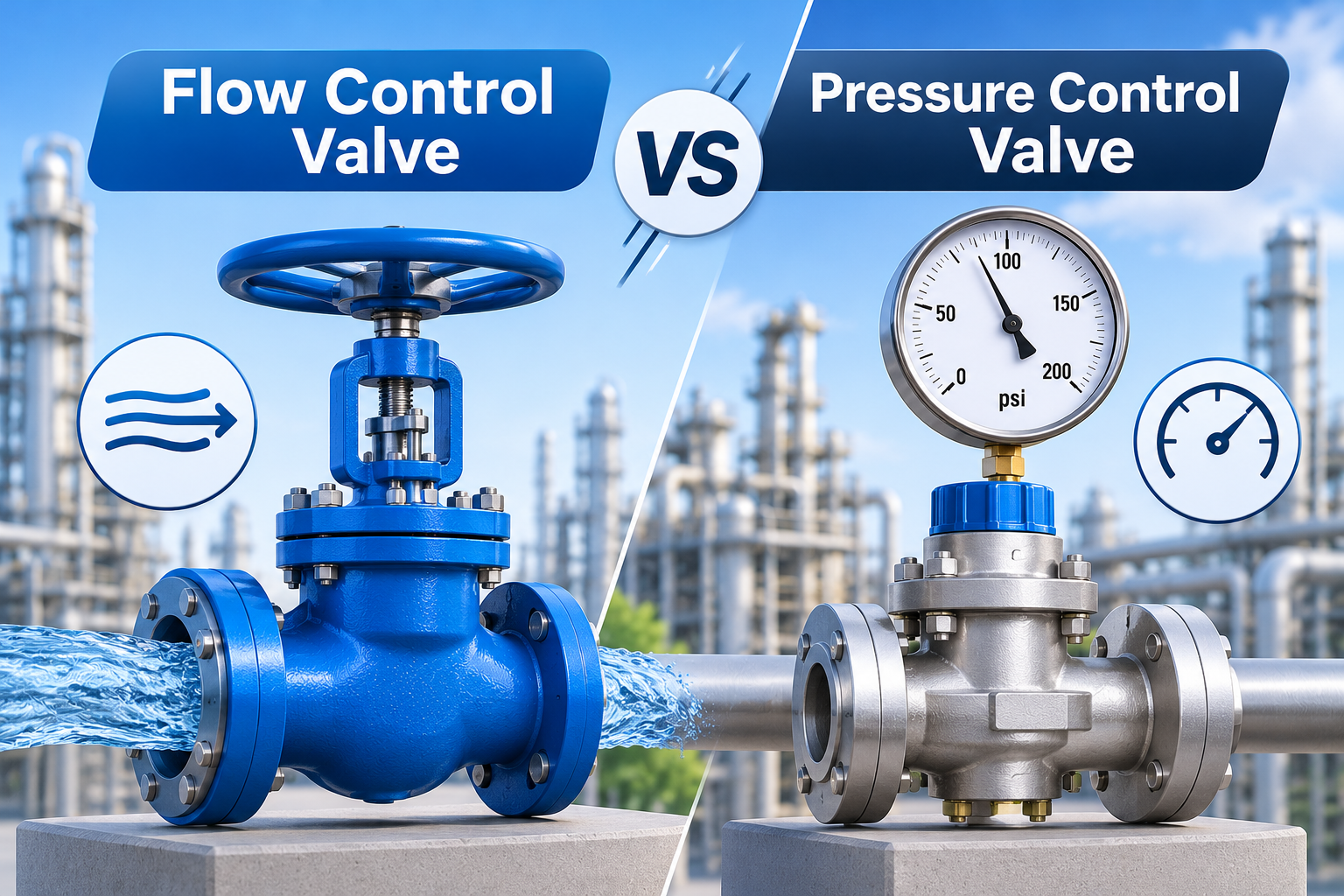
A flow control valve is used to keep a constant flow in a pipeline. Flow control valves are similar to regular flow control valves, but are able to adjust for changing downstream pressure, unlike a regular valve.
It’s also referred to as a flow regulating valve. A good way to envision it is as a valve that can respond to varying downstream conditions to hold flow rate to a predetermined level.
Rate of Flow Control Valve for Constant Flow
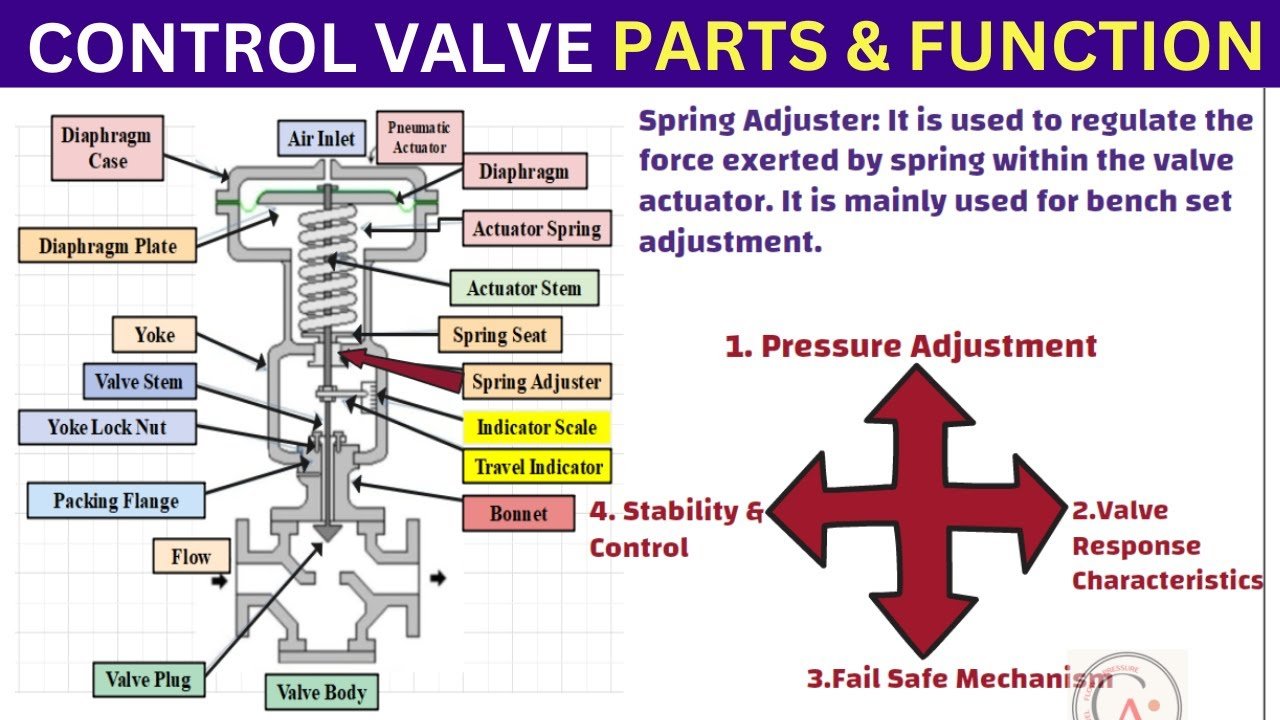
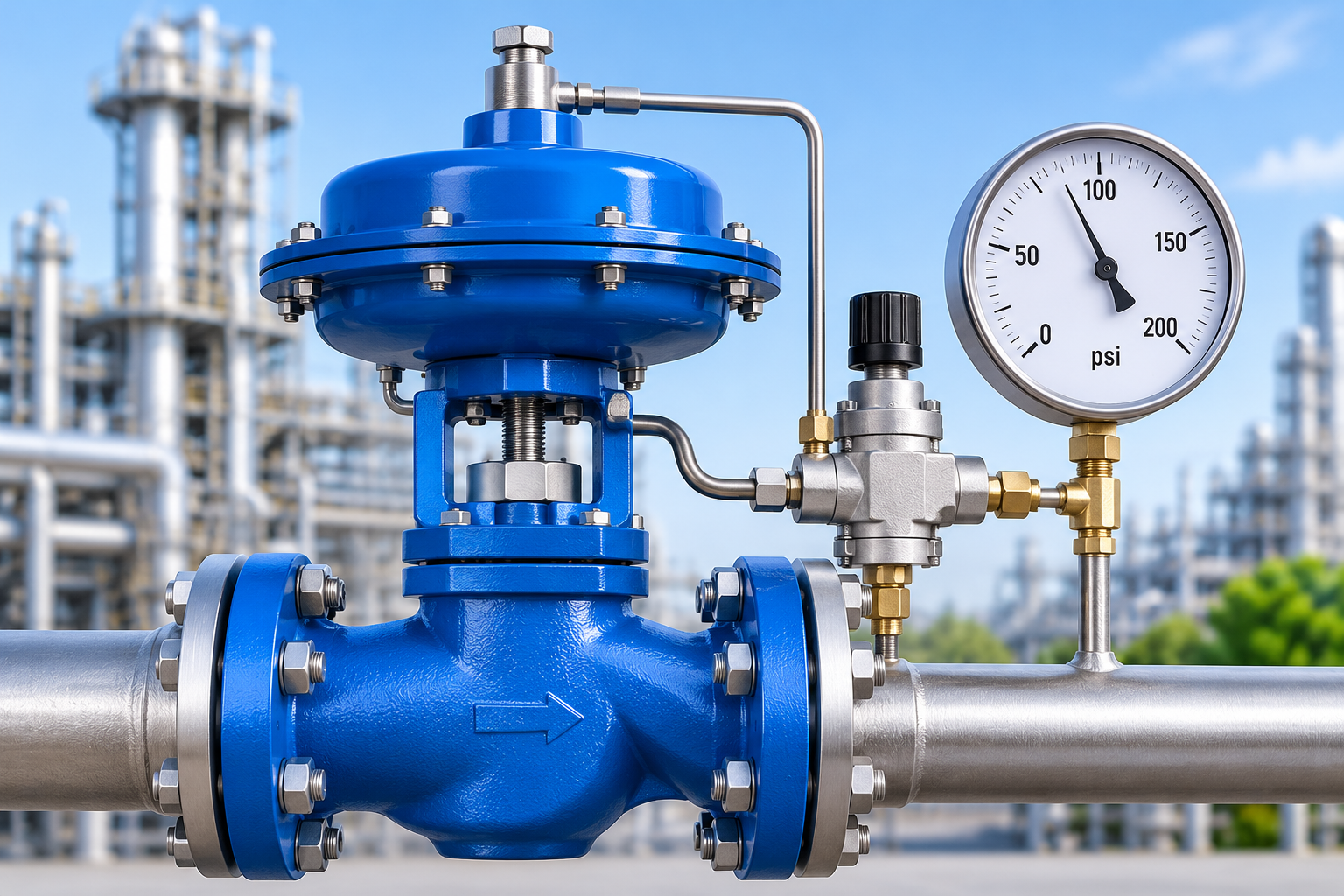
A rate of flow control valve provides the same flow rate under any circumstance. Most of these valves are hydraulically operated with a pilot system that automatically adjusts the main valve based on the flow sensed by an orifice plate.
This type of valve is excellent for use in a line where too much flow can drain a reservoir or overload a pump or upset a treatment process. Once the set point is selected, the valve works on its own. Power or constant operator attention is not required.
Key Features of Our Flow Control Valve
- Steady flow under changing pressure: The valve holds the set flow rate even when system pressure rises or falls.
- Adjustable setpoint: Operators can change the target flow on site to match demand.
- Self-operated design: Most hydraulic models use line pressure to operate, with no electricity needed.
- Pump and network protection: Limiting excess flow helps prevent pump overload, cavitation and pipe stress.
- Low maintenance: Simple internal parts make inspection and servicing straightforward.
- Multi-function options: Some models combine flow control with pressure reducing or check functions in one valve.
Flow Control Valve Sizes and Materials
Flow control valves are available for both small service lines and large distribution mains. The right size depends on your required flow rate and pressure range, not just the pipe diameter.
| Material | Best Use |
| Ductile iron with epoxy coating | Water networks, irrigation, building services |
| Cast steel | Higher pressure industrial lines |
| Stainless steel | Corrosive, saline or high-purity service |
For coastal cities like Jeddah, Dammam and Jubail, epoxy-coated or stainless steel bodies offer better protection against salty air and corrosive water. Share your line size, flow rate and pressure with our team, and we will help you select the right model.
Applications of Flow Control Valve in Saudi Arabia
Municipal water networks: A water flow control valve helps balance supply between districts, so no area is overfed while another runs short.
Desalination and water transmission: These valves control flow into storage tanks and reservoirs along long transmission lines.
Agriculture and irrigation: Large farms use flow control to deliver even water to every zone and avoid waste.
Industrial plants: Factories and process plants use flow regulating valves to keep cooling water and process lines stable.
Buildings and HVAC: Commercial towers use them to balance chilled water and prevent pumps from running beyond their limits.
Fire protection systems: Controlled flow helps keep pressure and supply reliable when the system is needed most.
Conclusion
Flow control valves keep your system efficient and protected as fluctuations in pressure occur. These valves are used in all types of systems from water networks, desalination lines, farms, factories and buildings to name a few. Installing the correct valves in your systems will reduce water and energy consumption and decrease maintenance costs across Saudi Arabia.
For your next project, contact Shamry Trading and let them know the details of your system and they will provide you with the correct flow control valve for your application.
FAQs
What does a flow control valve do?
It keeps the flow rate steady, even when line pressure changes.
Is a flow regulating valve the same as a flow control valve?
Yes, both names describe a valve that holds flow at a set level.
When do you need a rate of flow control valve?
When a line must deliver the same flow at all times, such as tank filling or pump protection.
Which Saudi projects rely on a water flow control valve?
In city water networks, desalination lines, farms, buildings and fire systems.
Which material is best for coastal cities like Jeddah?
Epoxy-coated ductile iron or stainless steel, as they resist salty air and corrosion.

2 Responses