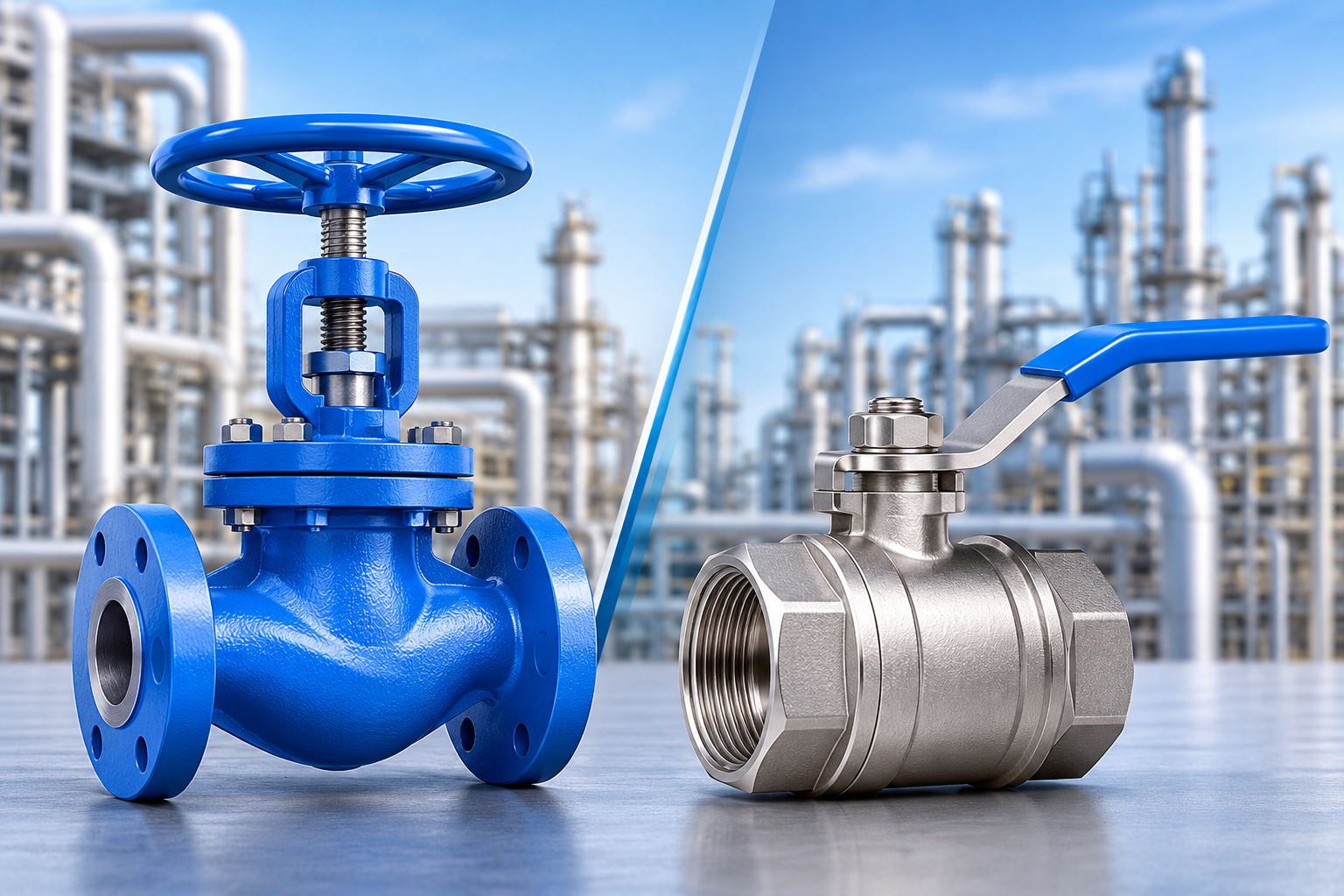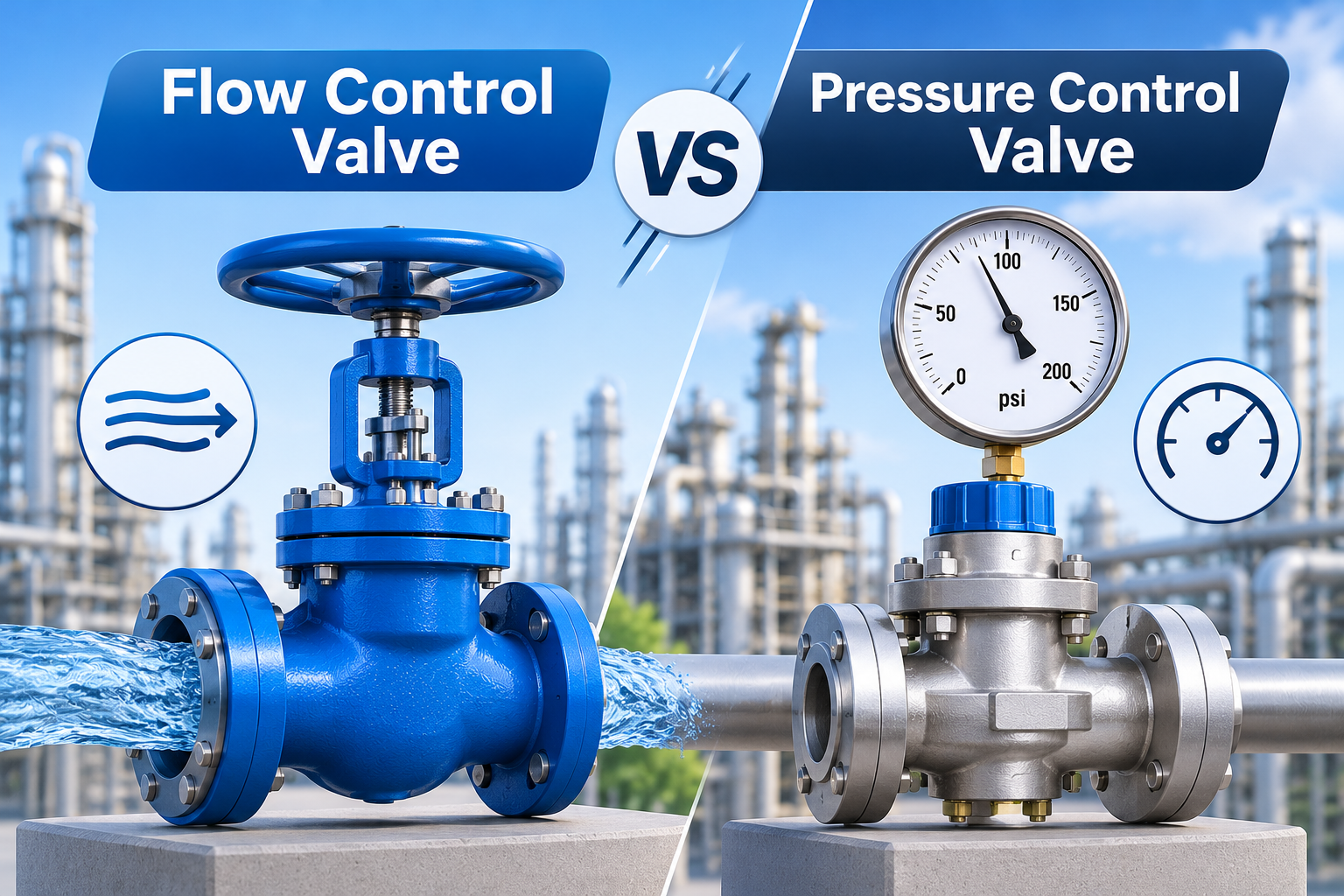
A reservoir overflows every night, but tenants on the top floor of the same project have issues with water pressure. The engineer on the site is perplexed on how to resolve the issue since there is a need to regulate the pressure or the flow. This is usually the case in many water networks, towers and industrial plants in Saudi Arabia. Selecting the wrong valve means wasting money and time on a false solution. This guide describes the difference between flow control valve vs pressure control valve in simple and easy to understand terminology. With this guide, you will have the ability to solve the right problem the first time.
What a Flow Control Valve Does
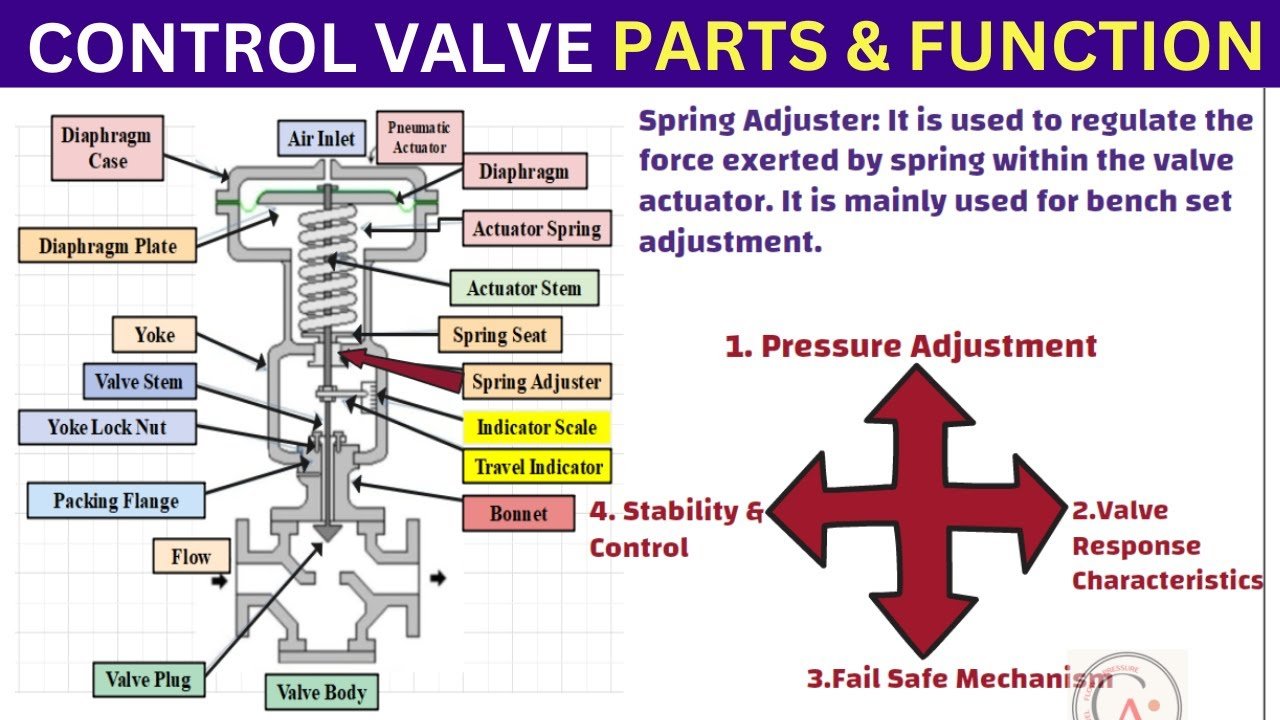
Through a flow control valve, fluid keeps moving at one steady, preset rate. It measures the rate of flow and in turns controls it. It responds to changes in upstream flow and pressure.
One important thing it measures is the rate of flow of a fluid, and because of that, it is used where a tank fills up too quickly, or a pump is operated beyond its limits, or a water district takes more than its share. After setting it, operators do not need to adjust it by hand as demand fluctuates.
What a Pressure Control Valve Does
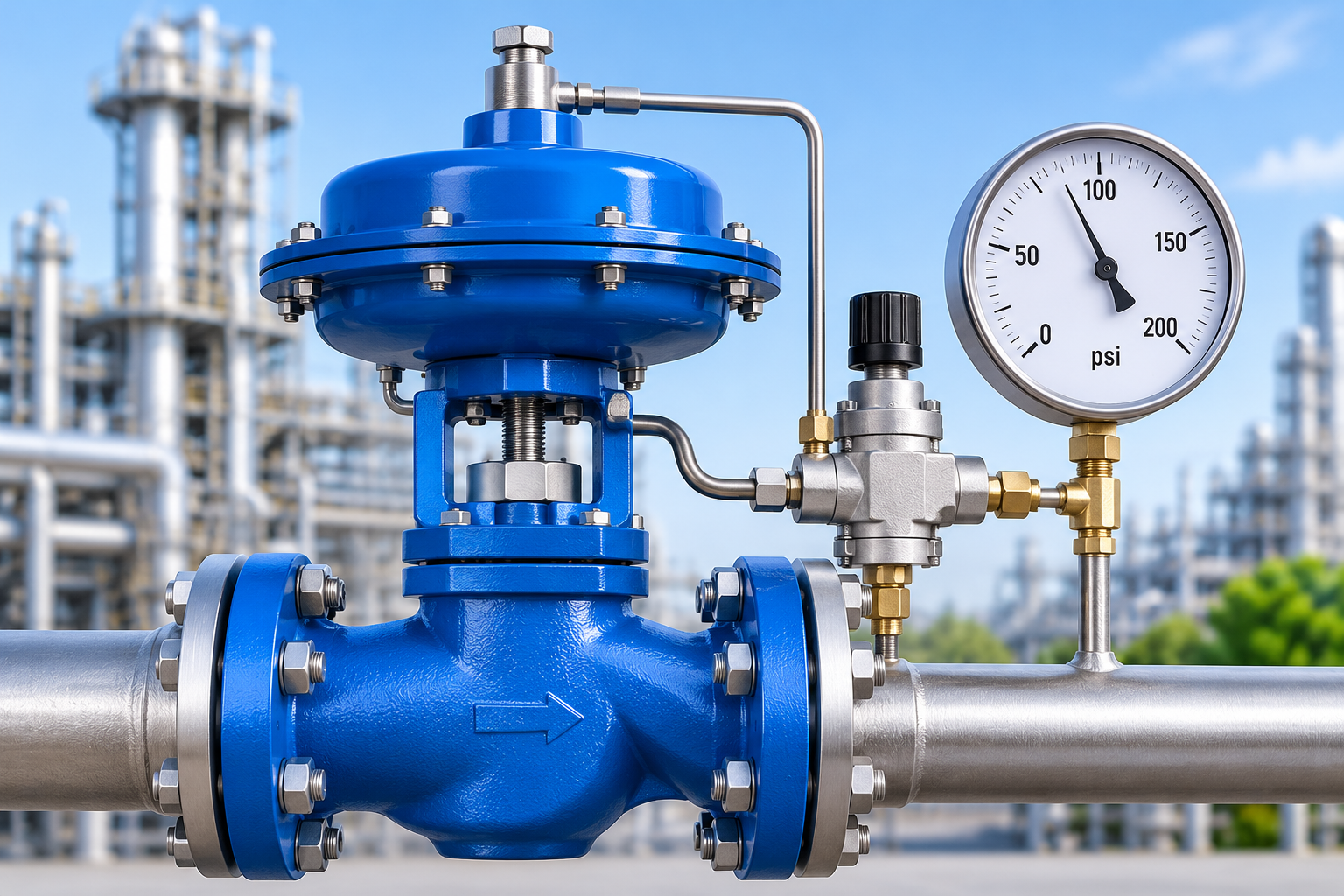
Pressure control valves lower high pressure, release excess pressure or maintain a minimum pressure upstream. They act automatically when pressure moves away from the valve’s set point.
What question does it answer? How hard is the fluid pushing? It is the valve to use to protect equipment from pressure spikes or to stop leaks in lower piping that ultimately bursts due to the high pressure. By regulating fluid pressure, valves can reduce leaks, save water and increase the life of equipment. Watch this video if you want to see how pressure control valve works.
Flow Control Valve vs Pressure Control Valve: How They Differ
Simple rule: If the amount of fluid is wrong, use a flow control valve. If the force of the fluid is wrong, use a pressure control valve.
| Feature | Flow Control Valve | Pressure Control Valve |
| What it controls | Flow rate (volume per time) | Pressure (force in the line) |
| What it senses | Flow through the valve | Pressure upstream or downstream |
| Main problem solved | Too much or too little flow | Too high or too low pressure |
| Typical uses | Tank filling, pump protection, network balancing | High-rise buildings, pipe protection, pump stations |
| Common types | Rate of flow control valve | Reducing, relief, sustaining, back pressure valves |
Both valves react automatically, and many hydraulic models use line pressure to operate without electricity. The difference lies in what they watch and what they adjust.
When Both Valves Work Together
Many systems need both types of control at the same time. For example, controlling the flow rate into a reservoir is necessary to maintain optimal pressure in the inlet piping, and to prevent the reservoir from overfilling.
In such cases, a combination valve is used to reduce pressure and limit flow within the same body. In pump stations, a similar combination is used for keeping the pump on the safe curve. Using both controls together provides a network that is steady, safe and efficient.
How to Choose the Right Valve for Your System
Start with the symptom, not the valve:
Overloading tanks or pumps? You probably need a flow control valve.
Bursting pipes? Leaking fittings? Noisy taps? You probably need a pressure control valve.
Need better balance in flow between areas? Flow control will usually do the trick.
Weak upstream pressure or prime pumps? Look into a pressure sustaining valve.
A combination of the above? A combination valve may be the way to go.
Make sure your line size, flow rate and pressure range are correct, as well as the fluid being handled. In coastal cities, especially Jeddah, Dammam and Jubail, epoxy-coated or stainless steel bodies offer better protection against corrosion.
Get Both Valves from Shamry Trading
Whether it is even flow or safe pressure, or both that your system needs, Shamry Trading provides flow control and pressure control valves, pipes and fittings for water, building and industrial projects in KSA. Our experts help you find the right valve to the right problem in your system.
Contact us today to discuss your project so that we can supply you the right valve for your line.
Conclusion
Flow control valves help manage the flow of fluid, and pressure control valves help manage the pressure with which that fluid is pushed. Figuring out the problem you face helps make the choice simple, and many systems perform best with both working together.
Make the right choice with the right valve and help your system perform the way it was meant to.
FAQs:
How do flow valves and pressure valves differ in what they control?
A flow valve controls how much fluid moves; a pressure valve controls how hard it pushes.
Pressure reducing valve vs flow control valve: which stops tank overflow?
A flow control valve, because it limits how fast the tank fills.
When does flow vs pressure control really matter?
When a system shows overflow and weak pressure at the same time, the cause decides the valve.
Can one valve control both flow and pressure?
Yes. Combination valves reduce pressure and limit flow in one body.
Which valve suits high-rise buildings in Saudi Arabia?
A pressure control valve, as it protects lower floors from excess pressure.