The control valve is probably the most essential part of any piping system, yet most individuals do not know how it works. No matter if you work at a water treatment plant, a manufacturing facility, or have a large plumbing system, this little item can have a huge impact on keeping things running smoothly within your organization. To assist you with understanding what the control valve does, and why it is so important, I will use simple language to explain it.
What Is a Control Valve?
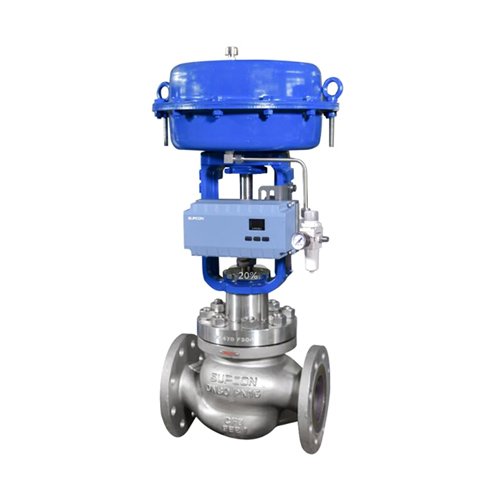
A control valve is used to adjust the flow rate of liquid, gas, or steam that passes through a pipe. Control valves do much more than simply turn the flow of material through a pipe “on” and “off.” Control valves can also regulate the volume of material that flows through the pipe. An example of a control valve is the accelerator pedal in your vehicle. When you press down on the accelerator pedal, you increase the speed of the engine. When you release the accelerator pedal, the engine begins to slow down. The way a control valve works is very much like this.
A controller sends a signal to most control valves. When you want to change either the temperature, pressure or flow, the valve will adjust to either open up or shut down so that the proper amount of adjustment can be made. Because these valves respond automatically, they help to keep your system operating in a stable manner, and also help to ensure the safety of your system.
Where Are Control Valves Used?
You will find these valves almost everywhere fluids move through pipes. Common places include:
- Water treatment and distribution plants
- Oil and gas refineries
- Power stations
- Food and beverage factories
- HVAC and building systems
- Industrial plumbing networks
In each case, the goal is the same: keep flow steady and pressure balanced. A well-chosen valve prevents leaks, waste, and equipment damage.
Common Types of Valve You Should Know
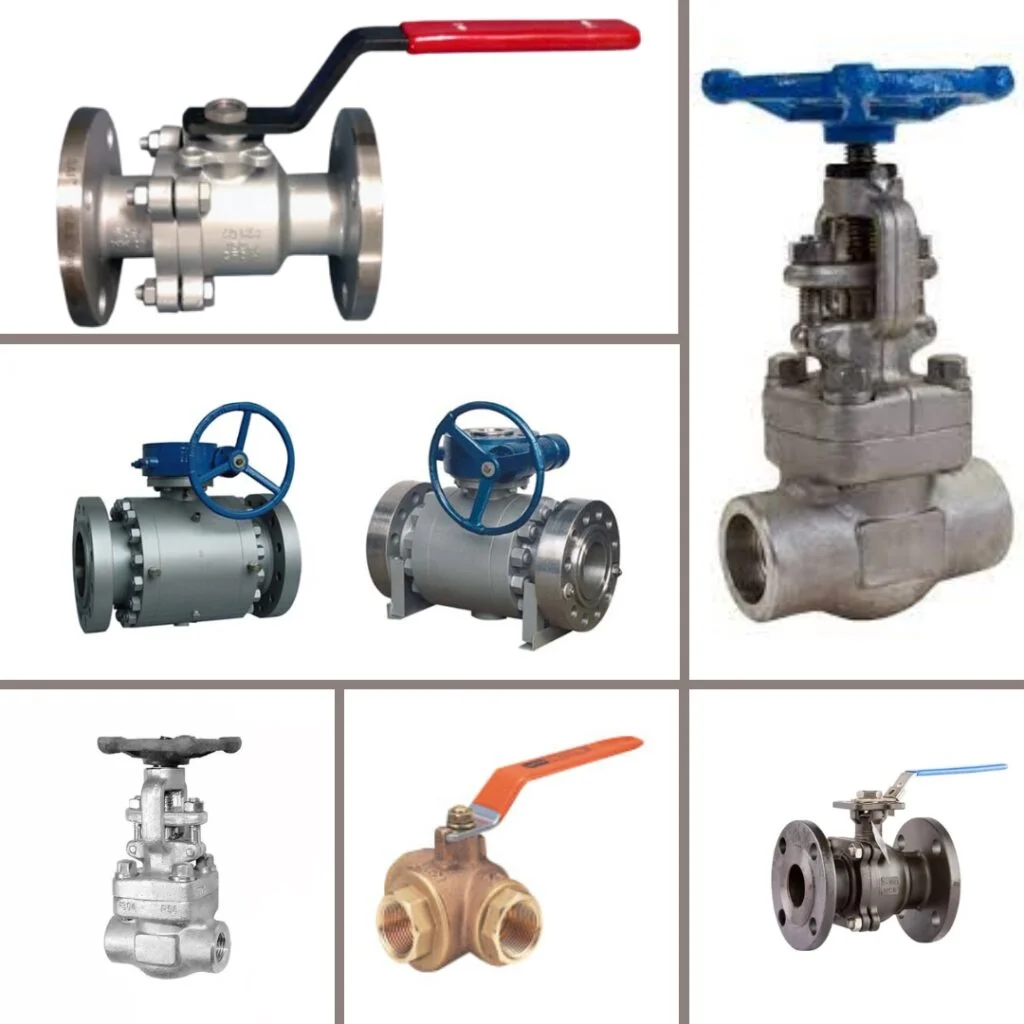
Before picking the right product, it helps to understand the main types of valve used in modern systems. Each design solves a different problem.
- Flow control gate valve: This valve is great for opening or closing a line fully. A flow control gate valve works best when you need a clear path with little resistance, though it isn’t ideal for fine adjustments.
- Pressure control valve: As the name suggests, a pressure control valve keeps pressure at a safe, steady level. It protects pipes and machines from sudden spikes that could cause serious damage.
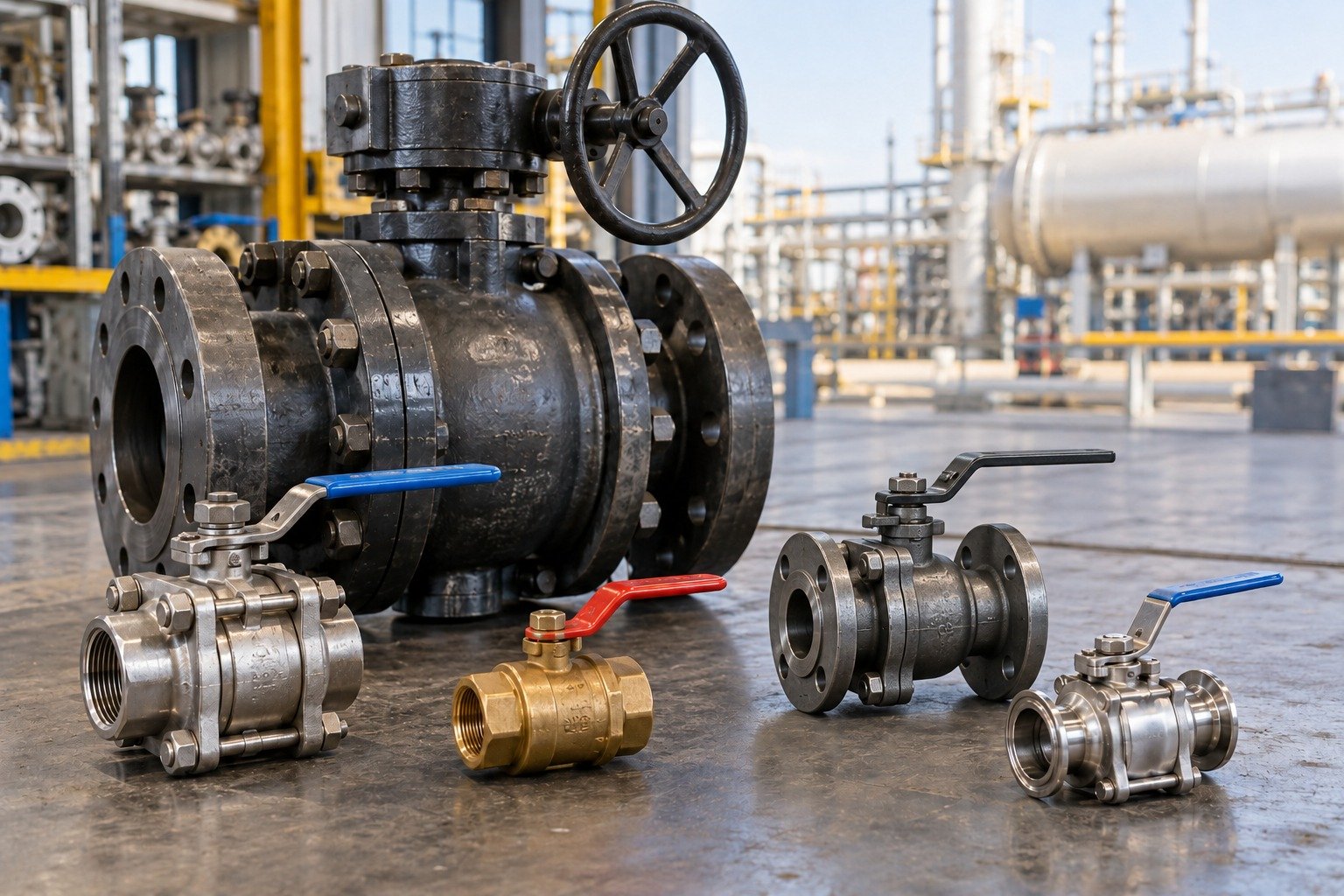
- Ball valve: Quick to open and close, perfect for fast shut-off.
- Butterfly valve: Lightweight and compact, useful in large pipes.
Knowing these types of valves makes it easier to match the right one to your job. If you feel unsure, a trusted supplier can guide you through the options.
Watch this video if you want to know how control valve works.
https://www.youtube.com/shorts/yT8vEy6A1Zs
Main Control Valve Parts and What They Do
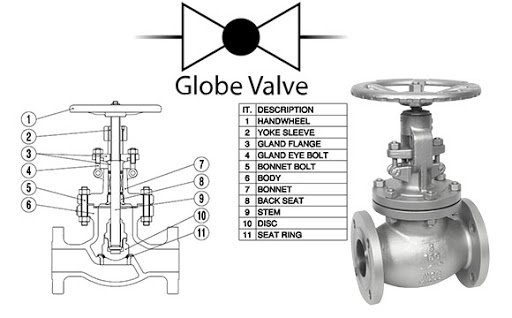
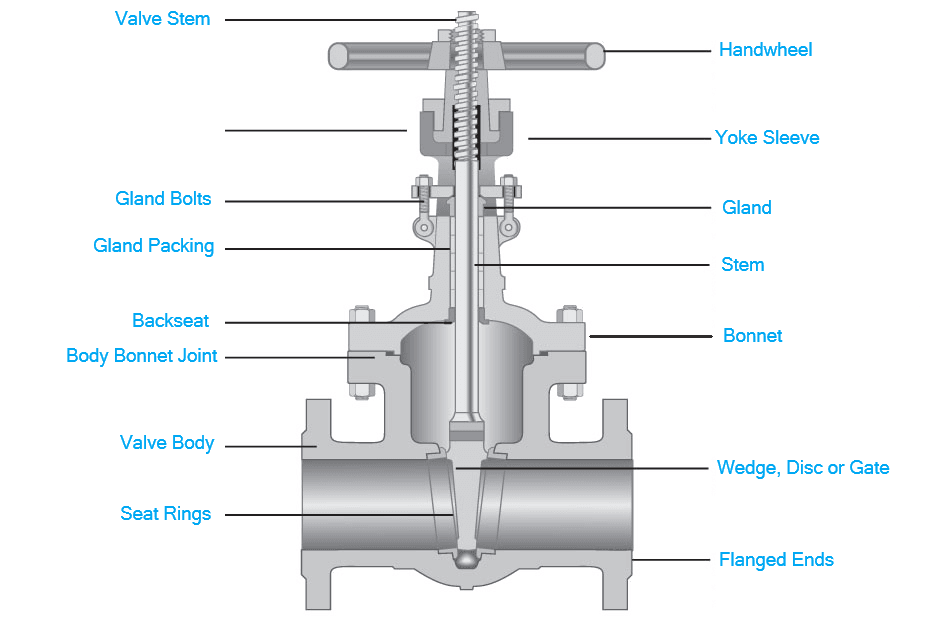
To understand how the whole device works, it helps to look at the key control valve parts. Each piece has a clear job:
- Body: The outer shell that connects to the pipe and holds everything together.
- Actuator: The muscle of the valve. It moves the internal parts based on signals.
- Valve plug or disc: This piece moves to open or close the flow path.
- Seat: The surface the plug presses against to seal the flow.
- Stem: The rod that links the actuator to the plug.
When these control valve parts work together, they give you smooth, accurate control. If one part wears out, performance drops, so regular checks keep your system healthy.
Watch this video to see the parts of a control valve.
https://www.youtube.com/shorts/nwhnQkwetho
Why the Right Control Valve Matters
If you choose a bad valve, it will likely create many issues for you. These can include; pressure drops, leaking, and/or having to shut down your system. However, if you pick the correct valve, it will help save energy, reduce waste, and increase the lifespan of your equipment.
The decision about which product to choose will result in reduced operational costs and fewer unanticipated events. As such, choosing the most appropriate product can lead to significant benefits over time.
How to Choose the Right Control Valve
Picking the best valve doesn’t need to be stressful. Focus on these simple points:
- Know your fluid. Is it water, oil, gas, or steam? Each needs a valve built to handle it.
- Check pressure and temperature. Your valve must cope with the conditions of your system.
- Match the size. A valve that is too big or too small will not perform well.
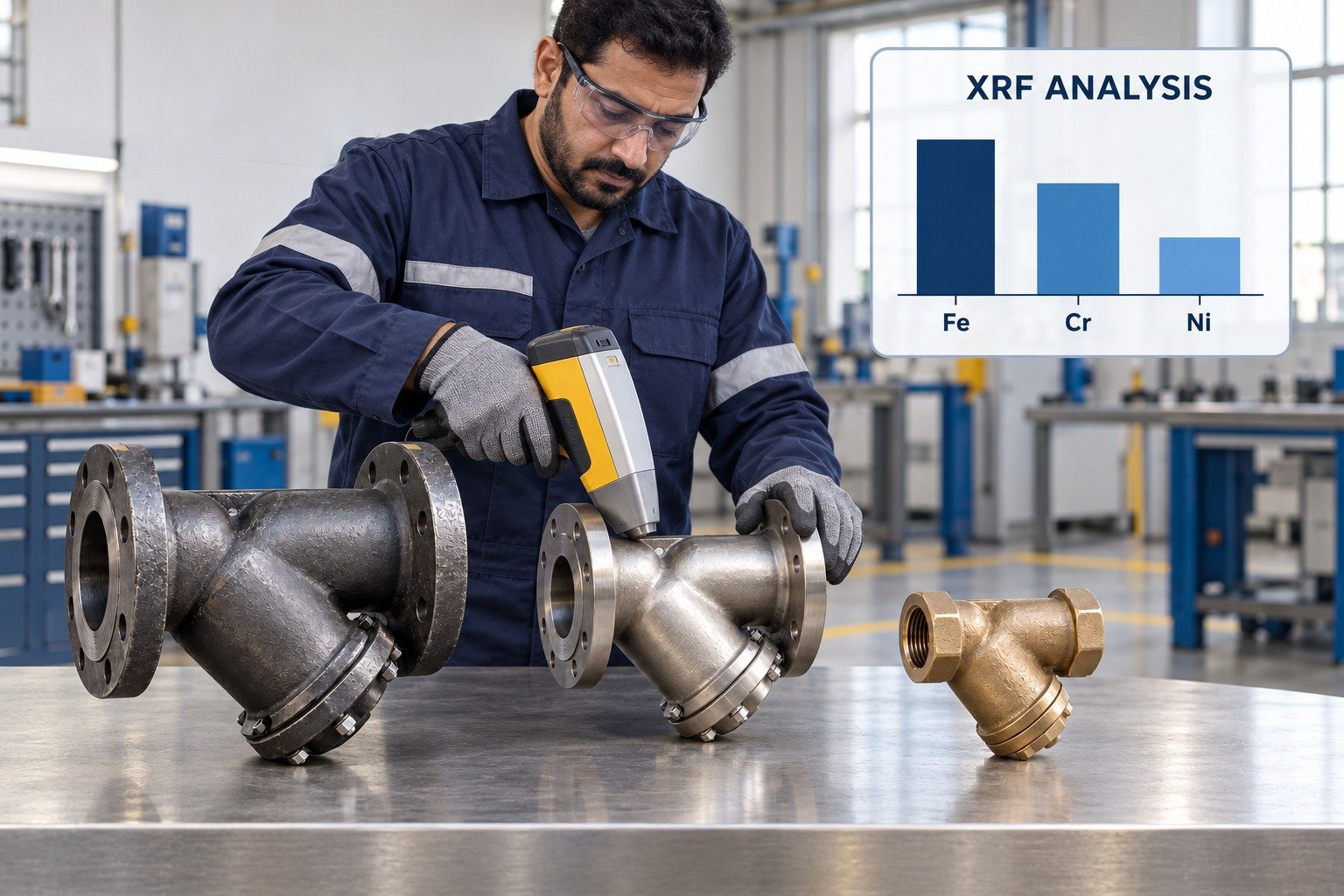
- Think about material. Carbon steel, stainless steel, and brass each suit different jobs.
- Plan for maintenance. Choose parts that are easy to service and replace.
When you consider these factors, you get a valve that fits your needs and lasts for years.
Trusted Supply in Saudi Arabia
Getting quality products from a reliable source makes all the difference. Shamry Trading supplies plumbing material and industrial plumbing material across Saudi Arabia. We help contractors, engineers, and businesses find the right valves and fittings for every project. Our focus is simple: quality products, fair prices, and honest service you can count on.
Ready to Learn More?
Understanding your valves is the first step toward a safer, smoother system. If you have questions or need supply support, we are here to help. Visit https://shamrytrading.com/ for inquiries and supply needs, and let our team guide you to the right solution for your next project.
FAQs
What is the function of a control valve?
A control valve regulates fluid flow, pressure, temperature, or level in a system.
What are the three types of control valves?
The three main types are globe valves, butterfly valves, and ball valves.
What are the 7 types of valves?
The seven common types are gate, globe, ball, butterfly, check, plug, and diaphragm valves.
What is a CV in a control valve?
CV is the flow coefficient that shows how much fluid a control valve can pass.