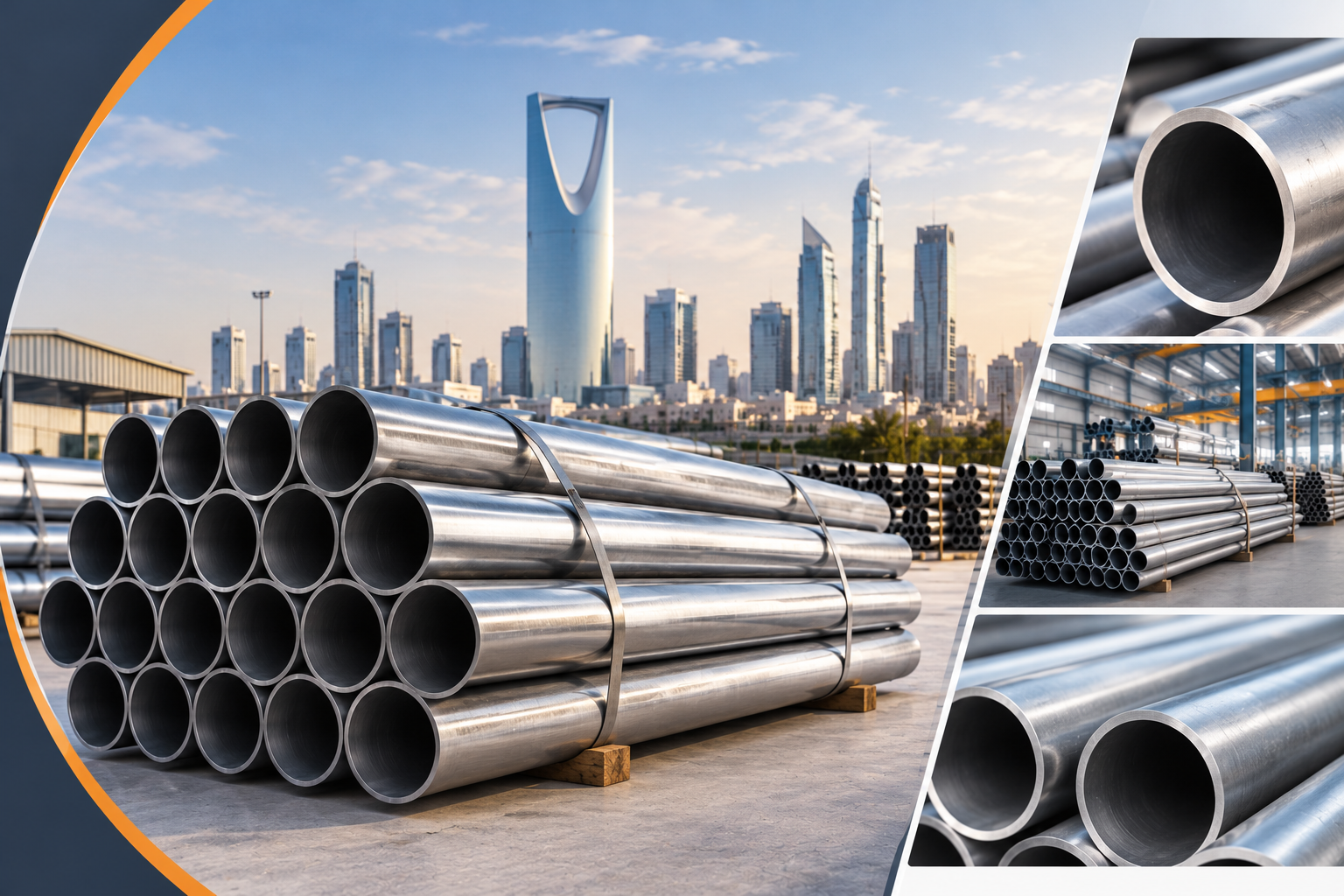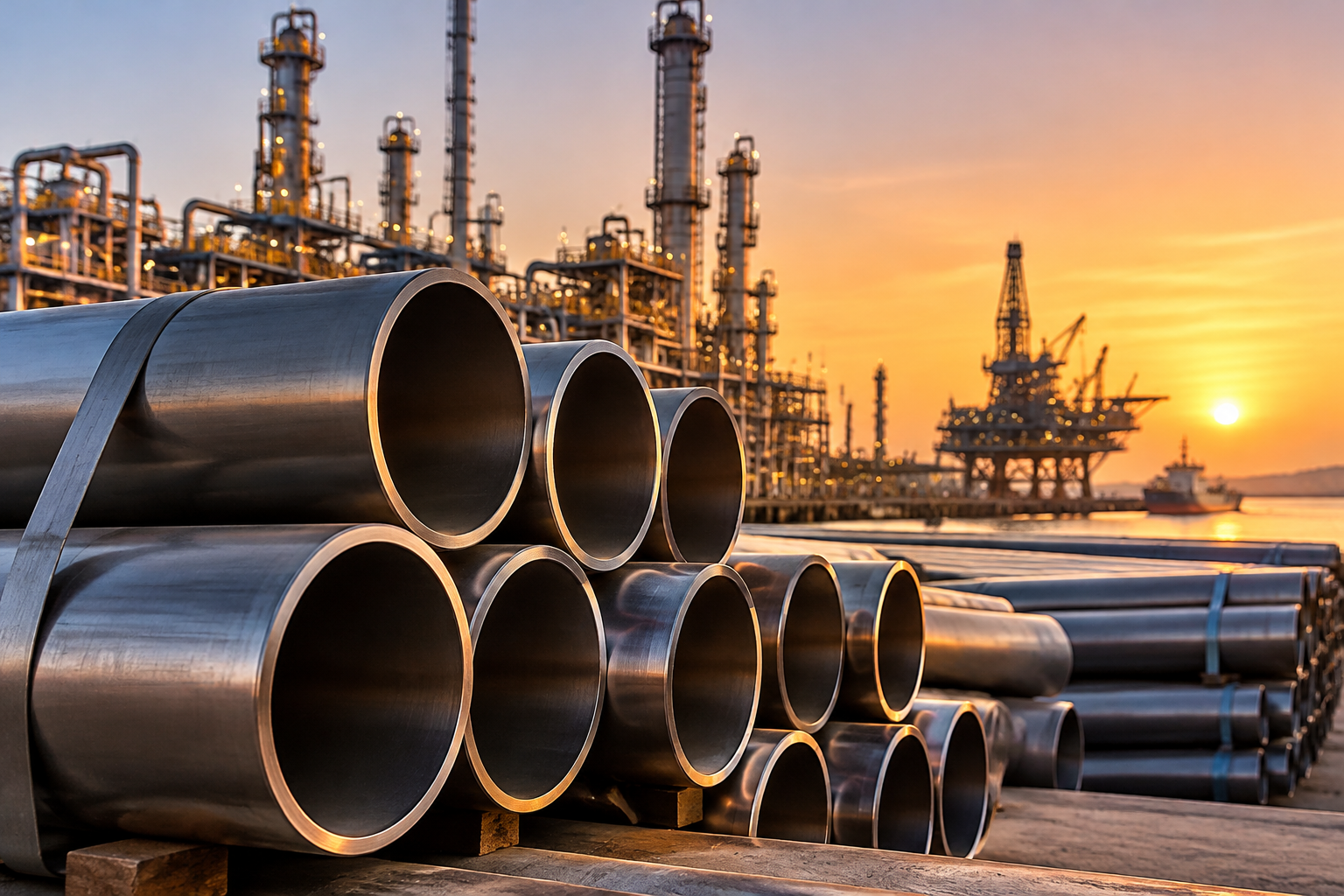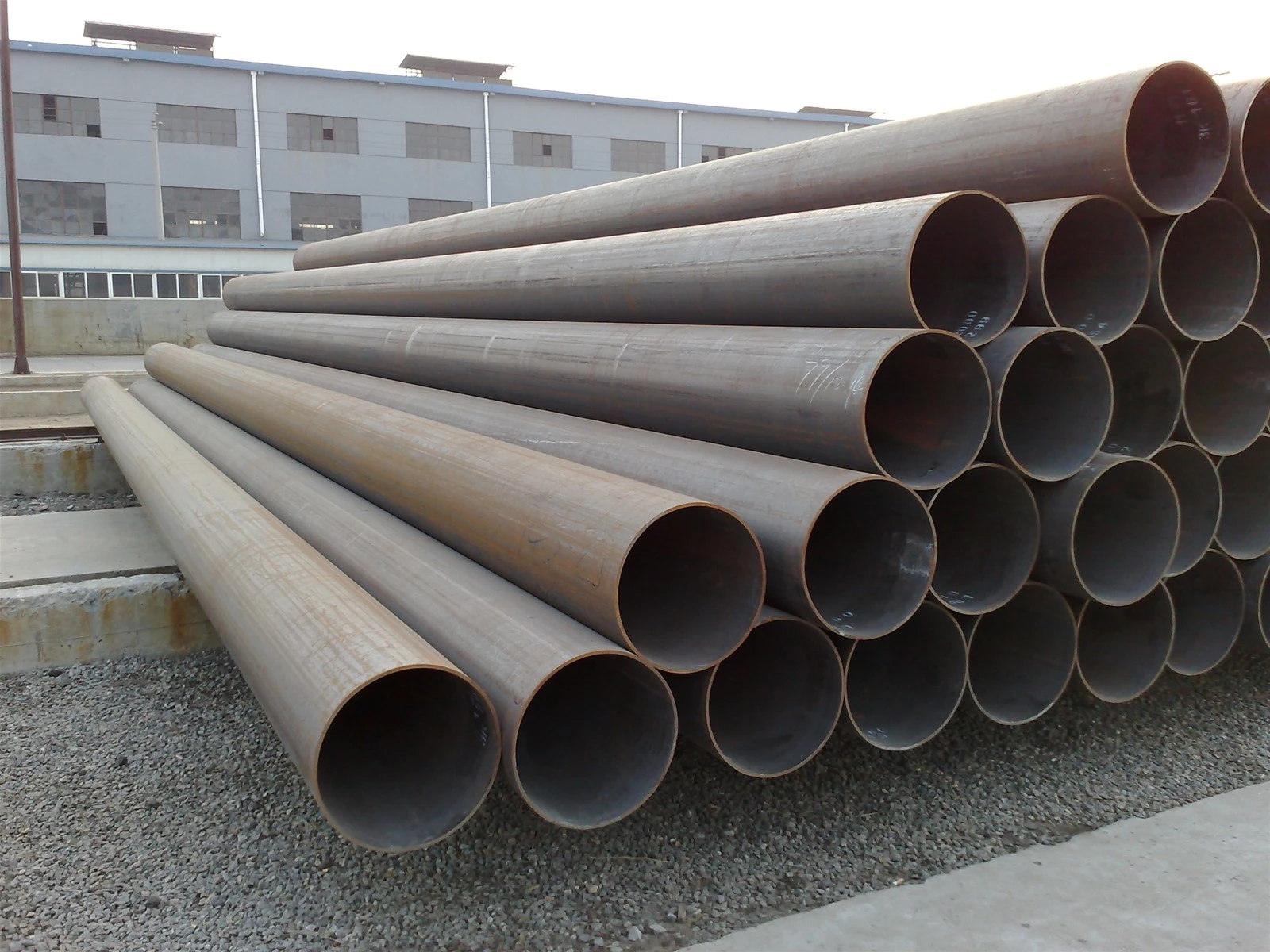
Choosing the right pipe is an essential decision in any industrial plumbing or piping system. Characteristics such as pressure, temperature, durability, and cost all play an important role. Among the most commonly used industrial pipes are ERW and seamless pipes, each designed for specific applications. Understanding how these pipes work will help you select the most suitable solution for your project in Saudi Arabia.
What Is an ERW Pipe?
ERW pipes (Electric Resistance Welded pipes) are manufactured by forming steel sheets into a cylindrical shape and welding the edges together using electric resistance heat. This welding process creates a strong bond without adding filler material.ERW pipes are widely used due to their cost efficiency and compatible quality. They are commonly applied in water pipelines, gas lines, structural works, and HVAC systems, where average pressure and reliable performance are required. ERW carbon steel pipe is especially popular in industrial and commercial plumbing projects.
What Is a Seamless Pipe?
A seamless pipe is produced without any welding. It is made by heating a solid steel billet and punching it to form a hollow tube, which is then rolled into the required size. Since there is no welded joint, the pipe offers uniform strength throughout its body.Seamless pipe in Saudi Arabia is commonly used in challenging environments such as oil & gas plants, refineries, power stations, and chemical industries, where high pressure, extreme temperatures, and corrosion resistance are critical. Seamless carbon steel pipe is especially valued for its strength and long service life.
Key Differences Between ERW and Seamless Pipes
| Feature | ERW Pipe | Seamless Pipe |
| Manufacturing Process | Made by welding steel sheets together using electric resistance. | Made by extruding a solid billet and shaping it without welding. |
| Strength and Durability | Suitable for low to medium-pressure applications. | Superior strength, ideal for high-pressure, high-temperature applications. |
| Weld Seam | Contains a welded seam, which can weaken under certain conditions. | No welded seam, offering uniform strength throughout the pipe. |
| Cost | Generally more cost-effective due to the manufacturing process. | More expensive due to the more complex manufacturing process. |
| Applications | Ideal for low-pressure systems and water supply. | Perfect for oil and gas, chemical, and high-pressure steam systems. |
| Resistance to Leaks | May be more prone to leaks at the welded seam. | Less prone to leaks due to the continuous, seamless structure. |
Specifications and Materials of ERW and Seamless Pipes
Materials Used in ERW Pipes
- Carbon Steel: Commonly used for ERW pipes in plumbing, water supply, and gas pipelines.
- Galvanized Steel: Offers enhanced corrosion resistance for moisture-prone environments.
- Black Steel: Black steel is commonly used in ERW pipes for low to medium-pressure applications. It is suitable for use in gas, water, and heating systems due to its durability and resistance to corrosion in non-extreme environments.
Materials Used in Seamless Pipes
- Carbon Steel: Ideal for high-pressure and high-temperature industrial systems.
- Alloy Steel: Suitable for boilers, heat exchangers, and extreme working conditions.
- Stainless Steel: Seamless stainless steel pipes are used in corrosive environments, such as chemical processing plants, where resistance to corrosion is critical.
Specifications of ERW and Seamless Pipes
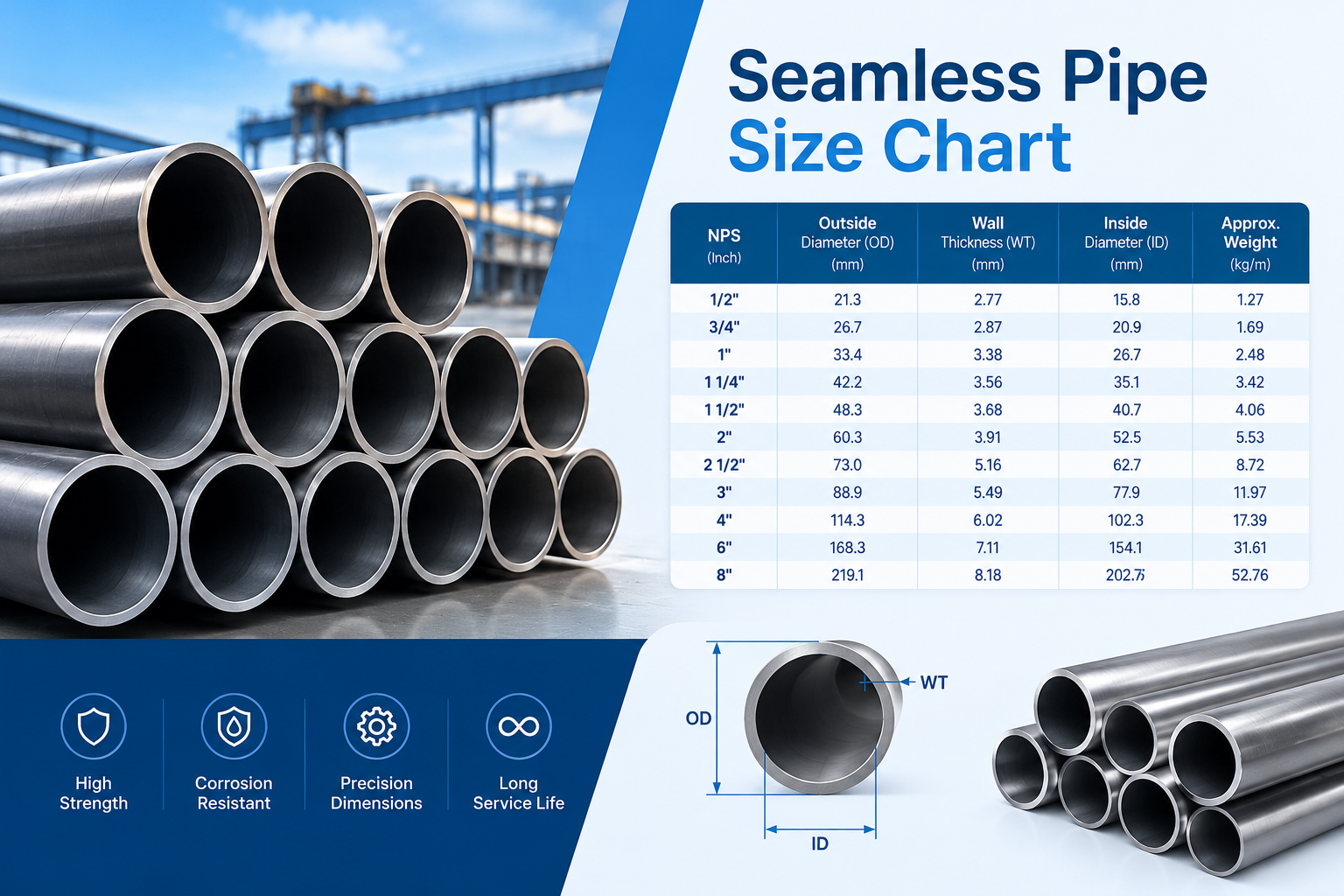
Size Range: Available from 1/8” to 24” in diameter with multiple wall thickness options
- Pressure Capacity:
- ERW pipes: Low to medium pressure
- Seamless pipes: Can handle very high pressure (up to 30,000 PSI in specialized uses)
- ERW pipes: Low to medium pressure
- Temperature Resistance:
- ERW pipes: Up to 800°F
- Seamless pipes: Up to 1,200°F
- ERW pipes: Up to 800°F
ERW vs Seamless Pipes: Which One Should You Choose?
Choose ERW pipes if:
- You need a cost-effective solution
- The application involves low or medium pressure
- The system is for water, gas, or general plumbing
Choose seamless pipes if:
- Your project involves high pressure or high temperature
- The environment is corrosive or critical
- You are working in oil & gas, petrochemical, or power industries
Why Buy ERW and Seamless Pipes from Shamry Trading?
Shamry Trading is a trusted supplier of ERW pipes, seamless carbon steel pipes, valves, and fittings for industrial plumbing projects across Saudi Arabia.
Why Clients Trust Us:
- Premium Quality Products: All pipes meet international industrial standards
- Wide Product Range: ERW, seamless, carbon steel, black steel, and stainless steel pipes
- Expert Technical Support: Professional guidance for selecting the right materials
- Fast Delivery Across KSA: Reliable supply chain to keep projects on schedule
Conclusion
Both ERW pipes and seamless pipes perform essential roles in industrial plumbing systems. Understanding their key differences and advantages can help you make a knowledgeable decision. At Shamry Trading, we are committed to offering the best solutions for your plumbing and piping needs, providing high-quality ERW and seamless pipes for a wide range of applications across Saudi Arabia. For more information or to place an order, feel free to contact us today!
FAQS
Which is better, seamless or ERW pipe?
Seamless pipes are better for high-pressure and high-temperature applications, while ERW pipes are cost-effective for low to medium-pressure uses.
Can ERW pipe be seamless?
No, ERW pipes are welded, while seamless pipes are made without any welds.
How much is structural steel per ton in Saudi Arabia?
The price of structural steel in Saudi Arabia typically ranges from SAR 2,500 to SAR 3,500 per ton.
What is an ERW pipe?
An ERW pipe is a welded pipe made by joining steel edges using electric resistance.