Sand, rust, pipe scale, sediment – these are just some examples of debris which can eventually damage or cause a failure to a pipeline system. A strainer filter will help prevent this damage to your system by trapping the debris as it flows through the line prior to reaching your pumps, valves and other equipment. Vist our page if you want to buy valve with strainer filter.
When it comes to filtering, most individuals do not consider this process prior to a break occurring. Once the break occurs, the damage has occurred.
This guide will cover the major kinds of strainer filters; their appropriate uses; and how you can determine which filter would be best suited to your application.
What a Strainer and Filter Does
At its core, a strainer and filter does one thing: it lets liquid or gas flow through while blocking solid particles. Simple concept, big impact.
Strainers usually handle the larger stuff — flakes of rust, chunks of scale, coarse sediment. Filters go after the smaller particles, which matters more in applications where product purity is important. When people say strainer filter, they’re often referring to the whole protective setup, sometimes both working together in the same system.
These components show up everywhere. Water treatment plants use them. So do food processing facilities, irrigation systems, oil and gas lines, and basic residential plumbing. Leave them out, and things wear out faster than they should.
Types of Strainer Filters
Y Type Strainer Filter
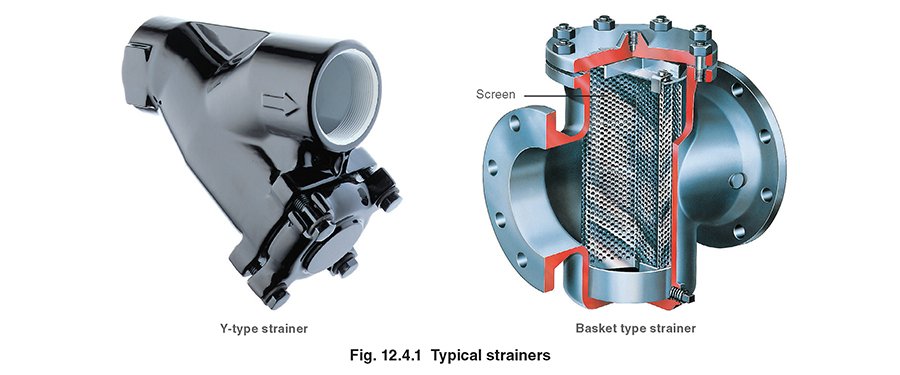
The y type strainer filter is one of the most widely used designs, and for good reason. Its Y-shaped body fits into tight spaces without creating flow problems. Inside, a mesh screen collects debris while fluid moves through freely.
Maintenance is straightforward. Pull out the screen, clean it, put it back. No need to tear the whole line apart. For high-pressure applications or anywhere space is limited, this design works well.
Water Strainer Filter
A water strainer filter is made specifically for water systems — home plumbing, irrigation, municipal lines. If your water comes from a well, this one matters a lot. Sand and silt can quietly damage water heaters, fixtures, and appliances over time. A water strainer filter catches all of that before it gets a chance to cause problems.
Stainless Strainer
Some environments are just harder on equipment. High heat, corrosive chemicals, saltwater — regular materials don’t hold up long in those conditions. A stainless strainer is built from stainless steel, which handles corrosion and temperature far better.
Food processing, marine applications, chemical plants — these industries rely on stainless strainers because they last. The upfront cost is higher, but the long-term math usually works out in your favor.
How to Choose the Right One
No single filter is right for every situation. A few things to think through before buying:
- Flow rate — The strainer needs to handle your system’s volume or you’ll get pressure drops that hurt performance.
- Mesh size — Finer mesh catches more but needs cleaning more often. Match it to what you’re actually filtering.
- Material — For anything corrosive or high-heat, go with a stainless strainer. For standard conditions, other materials are fine.
- Space available — A y type strainer filter is a good option when installation space is tight.
- Fluid type — A water strainer filter is built for water systems. Other fluids may need different specs.
Think about what your system deals with on a regular basis and go from there.
Why It Matters
Installing a strainer filter isn’t optional if you want your system to hold up long-term. Here’s what you actually get out of it:
- Equipment lasts longer because debris isn’t grinding through it constantly
- Fewer surprise repairs and unplanned shutdowns
- Better product quality in sensitive applications like food or pharmaceuticals
- Lower maintenance costs over time
- A system that runs efficiently instead of fighting against buildup
It’s one of the simpler investments you can make in a pipeline system, and the return is usually worth it.
Making the Final Call
If space is tight and you want something easy to maintain, a y type strainer filter is a solid choice. For home or municipal water systems, go with a water strainer filter. If your environment is tough — corrosive, hot, or demanding — a stainless strainer is worth the extra cost.
Get the match right and you avoid a lot of problems down the line.
If you manufacture or sell filtration products and want to reach more buyers online, SparkScale works with businesses to build content and marketing strategies that bring in real results.
FAQS
Q: What is a strainer filter?
A: A strainer filter is a device fitted in a pipeline that uses a mesh or perforated screen to catch debris and solid particles from flowing liquid, steam, or gas.
Q: What is a strainer used for?
A: A strainer protects pumps, valves, meters, and other equipment by removing dirt, scale, and debris from the fluid before it can cause damage.
Q: What is a strainer?
A: A strainer is a pipe fitting with a built-in screen that mechanically separates unwanted solids from a fluid while letting the fluid pass through.
Q: What is a strainer in an HVAC system?
A: In an HVAC system, a strainer (usually a Y-strainer) is installed in chilled or hot water lines to trap debris and protect pumps, coils, and control valves.