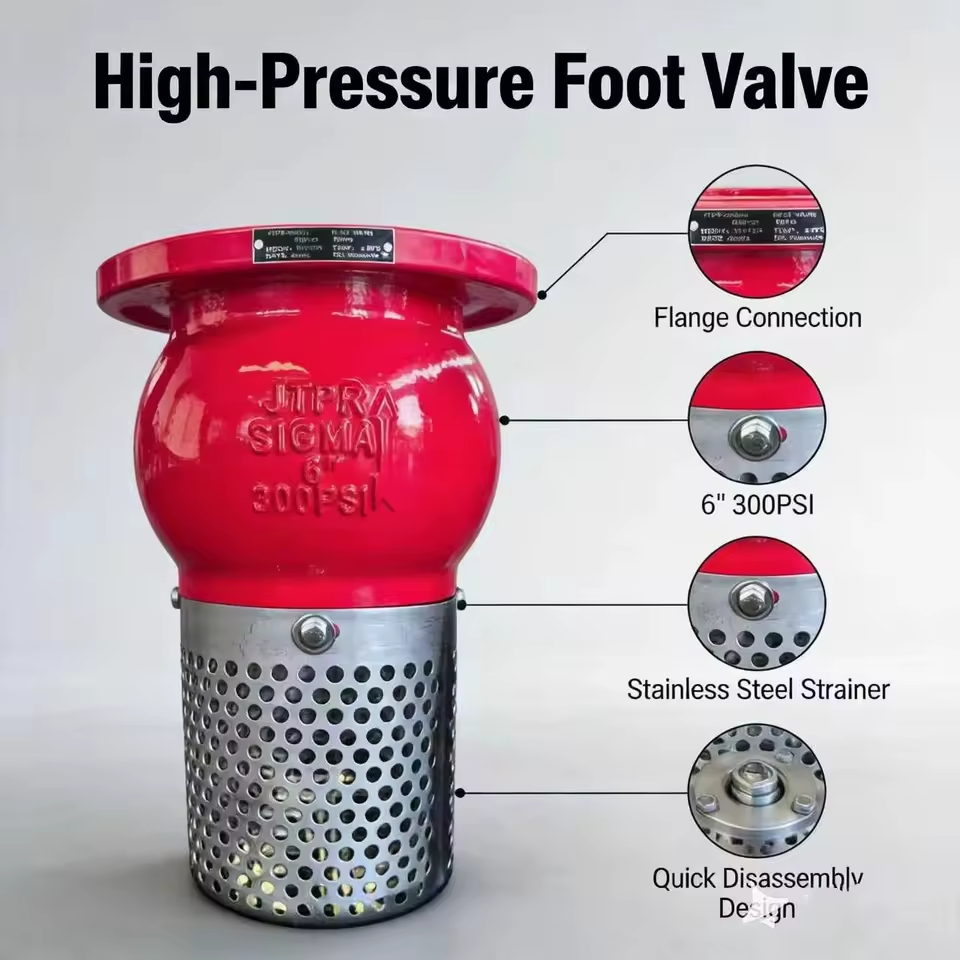
Pumps that lose suction a few weeks after installation are widespread on Saudi industrial facilities. More often than not, the pump works just fine. The foot valve with strainer on bottom of suction line has simply clogged. Of course, sand from wells, sediment in tanks, dust blown into open basins and algae in warm water will easily clog a strainer. This guide discusses the most common reasons for fast plugging, what to look out for so you know when to be worried and how to prevent your pumps from dying sooner. Visit our page if you want to buy and get more inforamtion strainer in valve.
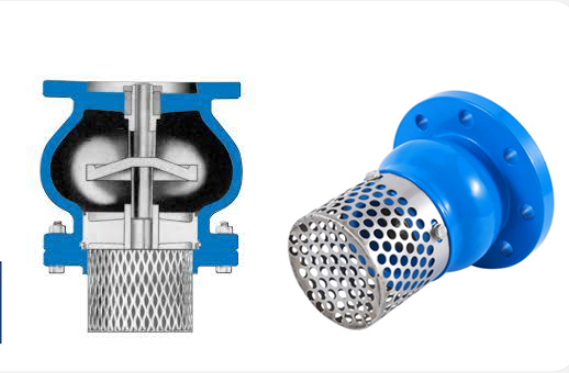
Main Causes of Fast Clogging
Sand and Silt in Wells
Fine sand and silt in most agricultural and industry wells in Saudi Arabia. When the screen openings are too wide, fine sand slips past and slowly wears down the pump. Some designs return a mesh that is too tight and fill the screen in seconds. How much sounds right depends on your water supply.
Foot Valve Placed Too Close to the Bottom
Bottom traps for Muds such as tanks, sumps and wells. An overly low foot valve with strainer sucks this sediment right into the display. Make the general rule to keep an inlet elevated well over the floor, while also leaving enough depth that air cannot enter.
Dust and Debris in Open Basins
Cooling tower basins, open reservoirs and process sumps collect wind-blown dust, especially during dust storms. Leaves, plastic and loose debris also settle in these open areas and end up on the strainer.
Algae and Biological Growth
Warm water and strong sunlight encourage algae and slime in open basins and storage tanks. This growth sticks to the screen and slowly closes the openings. In seawater intakes, marine growth creates the same problem.
Rust and Scale from the System
Carbon steel tanks and old pipework release rust flakes and scale over time. These particles collect on the screen, and a corroded strainer can even break apart. A foot valve strainer stainless steel model resists corrosion much better in these conditions.
Undersized Strainer
Smaller units have less open screen area. For example, a 2 foot valve strainer on a 2-inch suction line can clog quickly if the pump draws high flow from a dirty source. Choosing a strainer with a larger open area spreads the debris load and slows clogging.
How to Reduce Clogging
- Raise the foot valve so it does not sit in bottom sediment
- Match the screen opening to your water source
- Use a stainless steel strainer where the water is salty, chlorine-treated or corrosive.
- Clean open basins regularly and cover tanks where possible
- Add a coarse intake basket in very dirty sumps
- Inspect the strainer on a fixed schedule, especially before peak summer demand
On flooded-suction systems, some engineers also install a Y type strainer before critical equipment for extra protection. Make sure to check the pump’s suction requirements first, because any added strainer increases resistance. Visit this page if you want to buy y type strainer.
Stop Strainer Clogging with Shamry Trading
Cleaning a clogged strainer again and again wastes time and puts your pumps at risk. The real fix is a foot valve with strainer that matches your water source and site.
Shamry Trading helps commercial and industrial customers across the kingdom to select an appropriate size, screen material for saline water (foot valve strainer stainless steel), by guiding them through the different processes. Fewer shutdowns, less maintenance is what that means.
To explore among more different types of foot valve with strainer, contact us today and we will help you identify the best fit for your project.
Conclusion
Foot valves with strainer tend to clog up fast due to sand, bottom sediment, open-basin debris, algae, rust or too small a strainer. Pump placement, of the right screen size, made from stainless steel and inspected regularly keeps your pumps primed.
An opportunity not to wait for a stopped pump will define you. Check your foot valve with strainer right now, prevent the issue and keep your whole setup performing at optimal efficiency.
FAQs:
Why does my foot valve with strainer clog so fast?
Sand, bottom sediment, algae and rust are the usual causes, especially in Saudi wells and open basins.
What is the right cleaning schedule for a foot valve strainer?
Every 1–3 months on dirty sites, and before the summer peak season.
Is a foot valve strainer stainless steel model better?
Yes. It resists rust and saline water, so it lasts longer and clogs less from corrosion.
Can a clogged foot valve with strainer damage my pump?
Yes. It can cause loss of prime, cavitation and overheating.
How high should a foot valve sit above the tank bottom?
High enough to stay clear of settled sediment, while still staying fully under water.