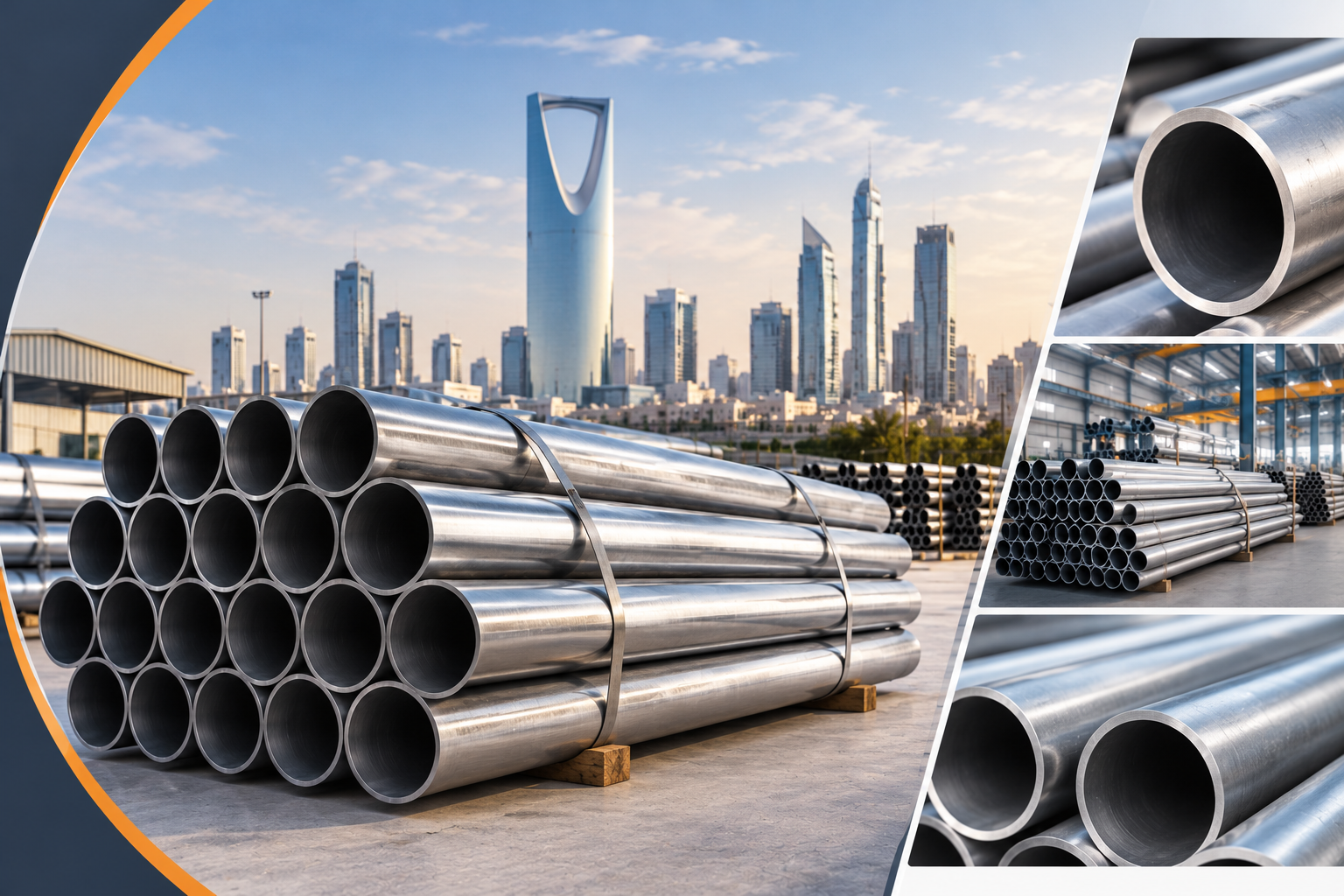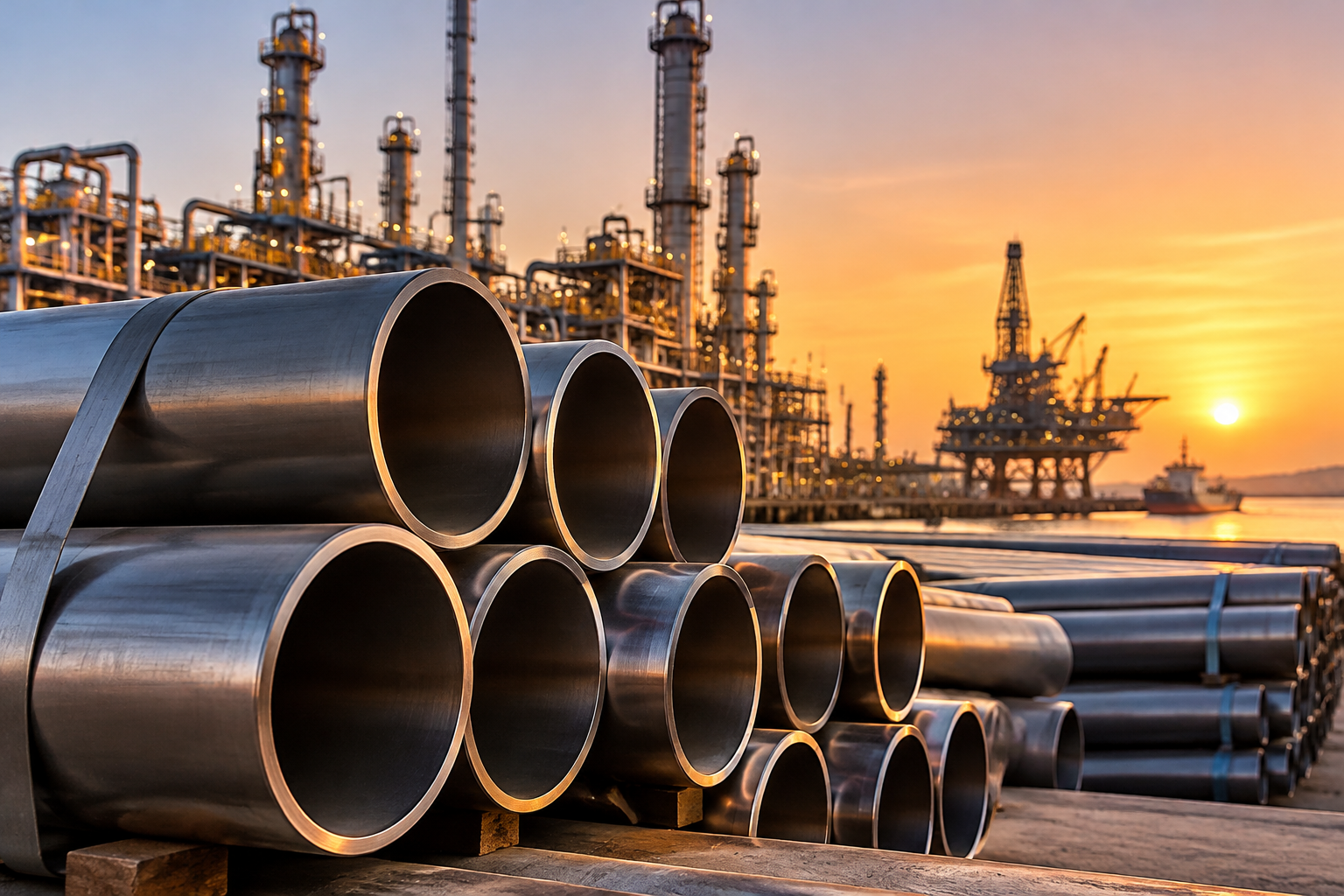
Industrial systems in Saudi Arabia must operate in extreme heat, high pressure and harsh environments. In those conditions, weak components may fail rapidly. These are the main reasons why you should choose your stainless steel unions pipe fittings correctly, to ensure safety and longevity. Many businesses struggle with issues such as leaks, corrosion and system failures — often the result of cheap fittings that do not meet proper standards. Visit our page if you want to buy stainless steel union pipe.
What Are Stainless Steel Union Pipe Fittings?
Stainless steel pipe union fittings are used to connect two pipes together while allowing for easy disassembly for maintenance. Unlike fixed joints, these unions disconnect with ease (without cutting the pipe) so they’re very practical for industrial use. These connections are commonly used in industries of Saudi as they offer solid and leak-proof fittings while enabling easy maintenance and replacement along with high resistance to heat and corrosion.
Saudi Industrial Safety Standards for Pipe Fittings (SASO & ISO)
Local industrial components approved according to SASO (Saudi Standards as well as internationally according to ISO standards) must comply in Saudi Arabia. The pipes fittings are capable of withstanding optimized high temperature and pressure rated ornamentation due to their compliance with a predefined range defined under these standards. Using fittings that are not compliant increases the risk of not only system failure, but also legal results.
Material Requirements to Meet Saudi Arabia’s Safety Standards
The quality of the material has a big impact on safety which is especially critical under Saudi conditions, where fittings must withstand heat and corrosion. There are loads of types of stainless steel available, generally 304 and 316 however; high-grade type is used for example at least a low carbon furnace. It is the reason why in critical systems, stainless steel is preferred over other materials.
Why Stainless Steel Unions Meet Saudi Safety Standards
Stainless steel unions pipe fittings for extreme environments (like Saudi Arabia) They comply with safety standards by being resistant to rusting and chemical damage, being strong at high temperatures, and offering secure connections that won’t leak. This renders them a suitable option in industries where performance and safety are paramount. See full blog on stainless steel union pipe.
Types of Stainless Steel Union Pipe Fittings Used in Saudi Industries
There are different types of pipe union fittings, each used for specific applications:
- Threaded unions – Suitable for low-pressure systems
- Socket weld unions – Used for medium to high pressure
- Butt weld unions – Ideal for heavy industrial and high-temperature use
In Saudi Arabia, industries often choose stronger types like socket weld and butt weld due to demanding conditions.
Applications of Stainless Steel Union Fittings in Saudi Industrial Sectors
Stainless steel unions pipe fittings are widely used across many sectors in Saudi Arabia, including oil and gas plants, water treatment systems, HVAC and cooling systems, and construction and infrastructure projects. These industries require durable fittings that can operate reliably without failure under extreme conditions. Visit our page if you want to buy stainless steel fittings.
How to Ensure Your Pipe Fittings Meet Saudi Safety Compliance
To meet safety standards, businesses must focus on quality and proper selection. Here are a few important steps:
- Always choose certified stainless steel materials
- Check pressure and temperature ratings
- Ensure proper installation by skilled professionals
- Regularly inspect and maintain fittings
Working with an experienced stainless steel fitting supplier in Saudi Arabia can also help ensure compliance and quality.
Choosing Certified Stainless Steel Union Pipe Fittings for Industrial Use
Selecting the right fittings is a critical decision. Certified products may cost more initially, but they save money in the long run by reducing maintenance and failure risks. When choosing fittings, make sure they are tested and certified according to Saudi standards, suitable for your specific application, and supplied by a trusted and reliable vendor.
Source Certified Stainless Steel Unions Pipe Fittings from Trusted Saudi Supplier
Choosing a reliable stainless steel fitting supplier in Saudi Arabia ensures you get certified, durable, and high-performance fittings for your projects. Work with a supplier who provides tested stainless steel pipe union products, offers multiple types of pipe union fittings, and meets strict industrial standards required in Saudi conditions.
Upgrade Your System with High-Performance Stainless Steel Unions Pipe Fittings from Shamry Trading
Switch to certified stainless steel unions pipe fittings designed for Saudi conditions and reduce long-term maintenance costs. At Shamry Trading, we provide high-quality stainless steel pipe union products, a wide range of types of pipe union fittings, and reliable solutions for industrial use across Saudi Arabia.
Get a Quick Quote from Shamry Trading Today
Contact Shamry Trading now to get reliable, certified stainless steel unions pipe fittings tailored to your industrial needs in Saudi Arabia.
Final Thoughts
In Saudi Arabia’s harsh industrial setting, safety and durability are crucial. By using quality Stainless Steel unions pipe fittings, you are guaranteed a better and long-lasting application. To ensure that the product quality is sustained and performance requirements constant, it’s also important to partner with a verified supplier like Shamry Trading.
FAQs:
Why do pipe fittings fail in Saudi Arabia?
Heat, corrosion, and low-quality materials cause leaks and failure.
Which stainless steel pipe union is best for Saudi use?
304 or 316 grade unions handle heat and corrosion best.
What are common types of pipe union fittings?
Threaded, socket weld, and butt weld unions.
How to choose a stainless steel fitting supplier in Saudi Arabia?
Pick certified, experienced, and reliable suppliers.
Do stainless steel unions pipe fittings reduce costs?
Yes, they prevent leaks and lower maintenance expenses.