In industrial piping projects, one question comes up again and again: ERW vs seamless pipe. Selecting the wrong pipe type can increase costs, delay timelines, or even create safety risks. That’s why understanding the difference between seamless vs welded pipe is essential for engineers, contractors, and procurement teams. This guide explains how ERW pipes and seamless pipes differ, how they are manufactured, and where each type performs best so you can make the right decision for your application.To see full blog on seamless pipe visit the page.
What is ERW Pipe?
ERW pipe stands for (Electric Resistance Welded pipe). It is one of the most widely used pipe types in construction, infrastructure, and industrial plumbing. ERW pipes are made from flat steel sheets. The sheet is rolled into a round shape, and the edges are joined together using electric resistance heat. This process creates a straight longitudinal weld seam along the pipe length. With modern manufacturing technology, this seam is highly controlled and reliable.If u want to know more about ERW black steel pipe visit our page
Key Features of ERW Pipes
- Welded Seam: A longitudinal seam is present, though usually smoothed
- Consistent Wall Thickness: Made from flat steel, providing uniform dimensions
- Cost-Efficient: More affordable than seamless pipe
Common Uses of ERW Pipes
ERW pipes are commonly used in low to medium-pressure systems, including water pipelines, fencing, scaffolding, structural supports, and general-purpose piping. They are also used in oil and gas applications where pressure requirements are significant.e.
What is Seamless Pipe?
A seamless pipe is manufactured without any welding. It is formed from a solid round steel billet that is heated and shaped into a hollow tube using high-pressure forming techniques. Because there is no weld seam, the pipe has uniform strength throughout its structure. Makes seamless pipe the best choice for required applications where failure is not an choice.
Key Features of Seamless Pipe
- No Weld Seam: Uniform structure across the entire pipe
- High Pressure Capability: Excellent resistance to pressure and temperature
- Thick Wall Options: Easier to produce heavy-duty pipe thickness
Common Uses of Seamless Pipe
Seamless pipes are widely used in oil refineries, power plants, hydraulic systems, boilers, and high-pressure gas lines. Whenever safety, pressure resistance, and durability are top priorities, seamless pipe is the industry standard.
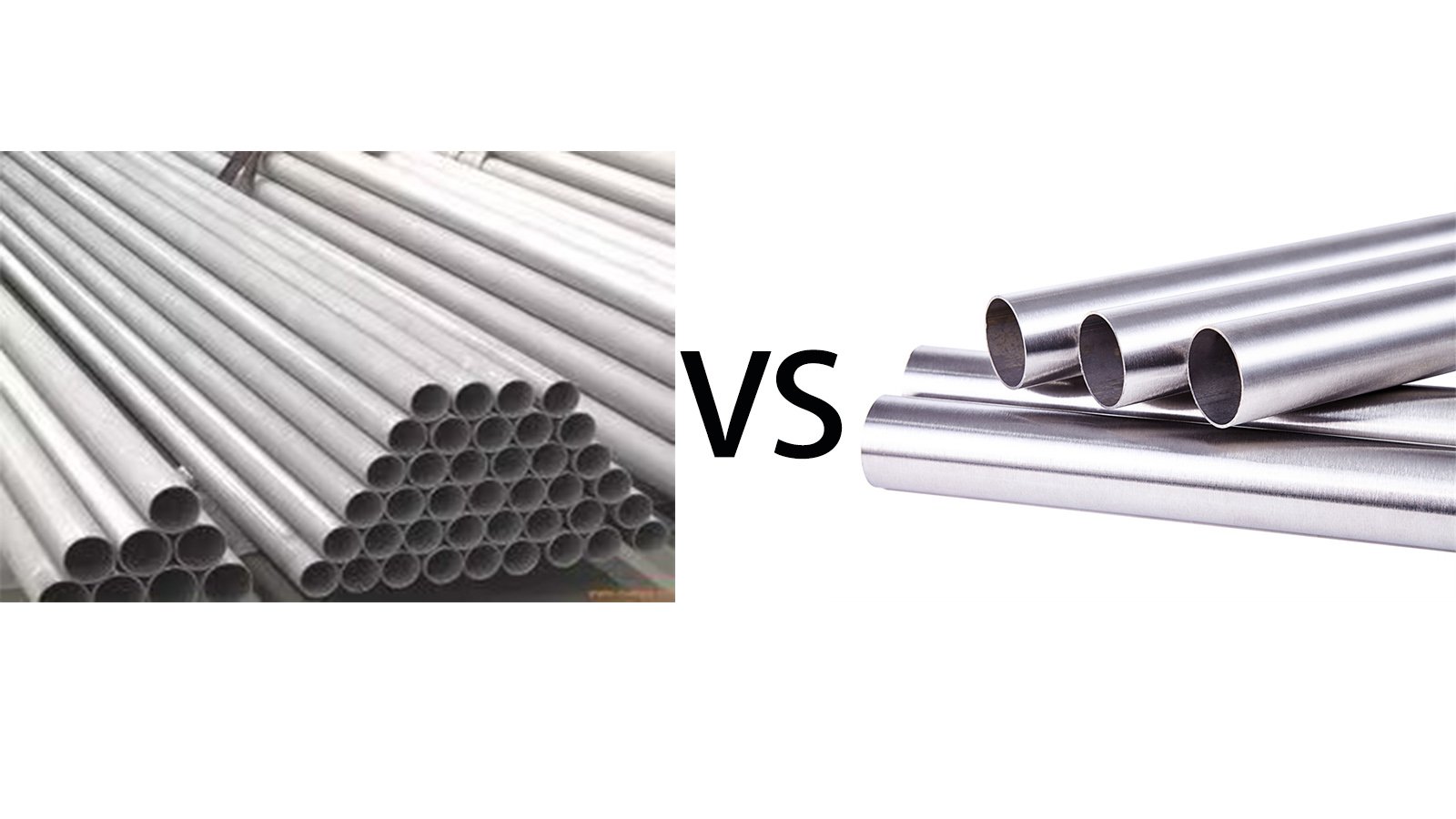
ERW vs Seamless Pipe: The Comparison
To make your decision easier, here is a direct breakdown of how these two types compare across key categories like benefits, uses, and advantages.
| Feature | ERW Pipe (Electric Resistance Welded) | Seamless Pipe |
| Structure | Contains a longitudinal weld seam. | Completely solid with no weld seam. |
| Pressure Rating | Lower pressure rating (generally 20% less than seamless). | Higher pressure rating; can handle extreme stress. |
| Cost | More affordable and cost-effective. | More expensive due to complex manufacturing. |
| Availability | Available in very long lengths and large diameters. | Limited lengths; large diameters are harder to produce. |
| Wall Thickness | Very consistent and uniform. | Can vary slightly; less consistent than ERW. |
| Surface Finish | Smoother surface quality. | Rougher surface finish is common. |
| Primary Advantage | Cost & Availability: Great for standard jobs and budgets. | Strength: Best for high-pressure, critical safety jobs. |
| Best Uses | Water lines, fencing, structural support, low-pressure gas. | Oil refineries, hydraulic components, high-pressure gas lines. |
Manufacturing Processes Explained
Understanding how these pipes are born helps explain why they behave differently. Here is a simple look at the manufacturing behind the metal.
How ERW Pipes Are Made
ERW Pipe Manufacturing Process
ERW pipes are built using an efficient cold-forming method:
- Steel Uncoiling – Flat steel coils are unrolled and straightened
- Forming – Rollers shape the steel into a cylindrical form
- Welding – High-frequency electric current fuses the edges together
- Flash Removal – Excess weld material is trimmed inside and outside
- Sizing & Cutting – Pipes are sized accurately and cut to length
This process ensures precise dimensions and consistent wall thickness, making ERW pipes ideal for standard industrial use.wall thickness.
Seamless Pipe Manufacturing Process
The seamless process involves shaping hot solid steel:
- Billet Heating – Solid steel billets are heated to high temperatures
- Piercing – A mandrel creates a hollow center in the billet
- Elongation – The pipe is stretched to reduce thickness and increase length
- Finishing – Pipes are cooled, straightened, and sized
This intensive process results in exceptional mechanical strength, though wall thickness may vary slightly compared to ERW pipes.
Where to Buy ERW and Seamless Pipes
If you are looking for ERW pipes, seamless pipe, or black steel pipes for industrial or commercial projects, Shamry Trading offers a loyal supply and technical guidance. We provide multiple sizes and specifications to match your working requirements.
Conclusion
Choosing between ERW vs seamless pipe ultimately comes down to the specific demands of your project. If you need a cost-effective solution for structural supports or low-pressure fluid transport, ERW is likely your best bet. However, if your project involves high pressure, high temperatures, or critical industrial applications where failure is not an option, the seamless pipe remains the superior choice. Contact Shamry Trading for reliable supply and expert advice.
Always consult with your engineering team to ensure that the seamless pipe specifications meet the safety standards of your industry, and purchase from trusted suppliers for quality assurance.
FAQS
1. What is ERW pipe?
ERW stands for Electric Resistance Welded pipe, made by welding steel plates together.
2. What is the price difference between ERW and seamless pipes?
ERW pipes are typically cheaper than seamless pipes due to their manufacturing process.
3. ERW vs seamless pipe – What do people say on Reddit?
Reddit discussions highlight that ERW pipes are cost-effective, but seamless pipes are stronger and better for high-pressure applications.
4. What is the full form of ERW pipe?
ERW stands for Electric Resistance Welded pipe.
5. What are the pros and cons of ERW vs seamless pipe?
ERW pipes are more affordable but less durable, while seamless pipes are stronger but costlier.
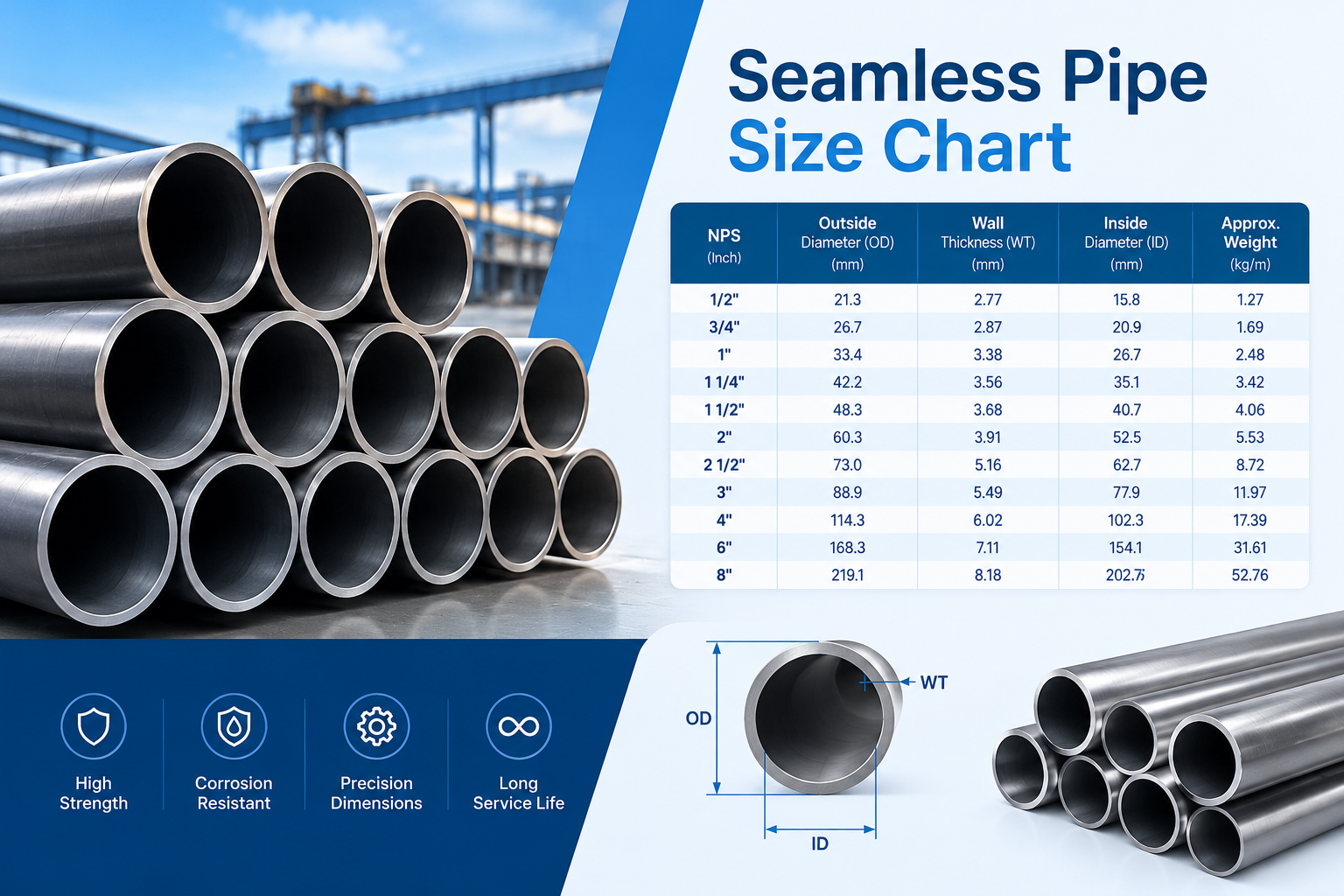
6. What is the difference in size between ERW and seamless pipes?
Seamless pipes have no welded seam, offering consistent size, while ERW pipes might have slight variation due to welding.
7. What is the price difference between ERW and seamless pipes?
Seamless pipes are generally more expensive due to their manufacturing process.
8. What’s the difference between seamless pipe and welded pipe?
Welded pipes, including ERW, have a welded seam, while seamless pipes are made from a single billet without welding.